

s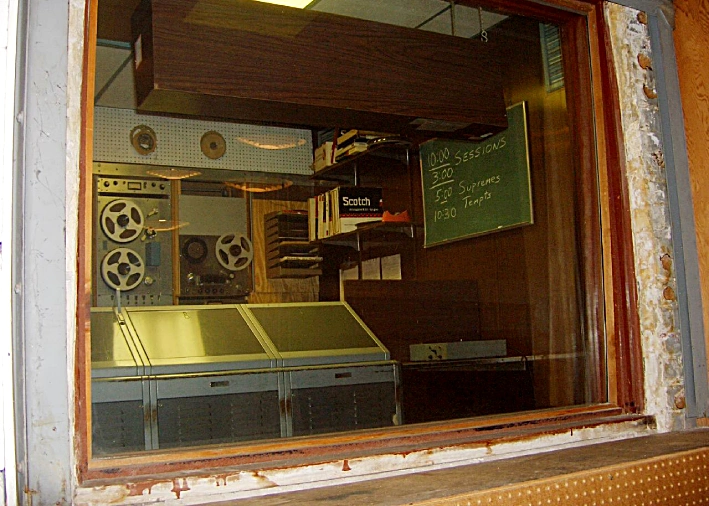
Image by Global Reactions on Wikimedia Commons · CC BY 2.0
A song can arrive at a studio as a voice memo with one promising line, or as a band arrangement rehearsed until every stop feels instinctive.
Those projects need different things from a booking. The most useful question is not how impressive the room looks in photographs, but what needs to happen there: capture a vocal, develop the production, record musicians together or finish an existing track. A clear answer makes the search for studio time less of a guessing game.
Start with the job the session has to do
Recording, production and post-production are related, but they are not interchangeable bookings. A singer replacing a demo vocal needs time to perform and review takes. A band hoping to preserve the energy of playing together needs a setup that can accommodate its instruments and recording approach. An artist still choosing sounds or changing the arrangement may need a production session before recording a final performance. Mixing begins with recorded material and balances its parts; mastering is a later stage concerned with the finished mix. Naming the task first helps establish whether the priority is space, creative input or work on audio that already exists.
What an hourly studio rate actually covers
An hourly figure is only useful when its scope is clear. Some bookings provide access to a room and equipment; others include an engineer who sets up, records and helps manage the session. Producer involvement may be part of the booking or a separate service. Before comparing quotes, ask when paid time starts, whether there is a minimum booking, and what happens if a session runs over. It also helps to distinguish the files available at the end of the day from later work such as editing, a polished mix, stems or mastering. Two rates that look similar can describe very different amounts of support and very different finished deliverables.
Matching the room and setup to the music
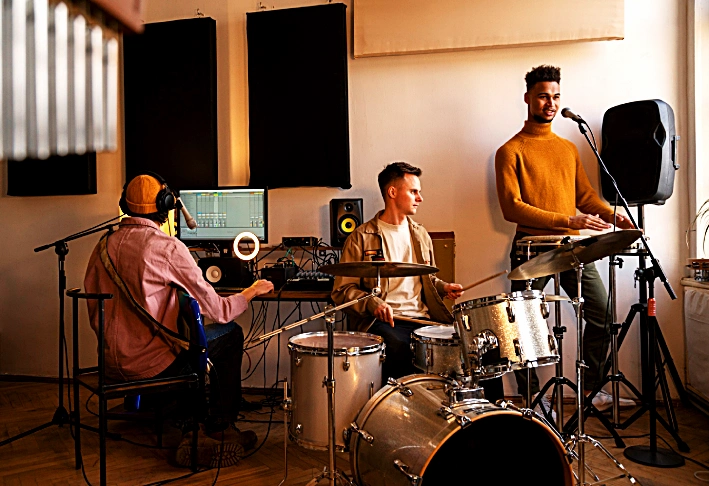
The right room depends on what the music asks people to do inside it. For a solo vocal, the artist may care most about a comfortable recording space, clear headphone monitoring and a way to hear takes without losing momentum. A live band has a different set of questions: can the players perform together, and how will sound from drums, amplifiers and vocals be managed? Microphones and monitoring matter, but a long equipment list does not explain how a particular session will work. Describe the intended performance to a prospective studio and ask how it would be recorded. That conversation is more revealing than a photograph of the mixing desk.
Why the person running the session matters
At Select Recording Studios in London, every session is led by its in-house producer and engineer. The studio works across recording, music production, mixing and mastering, as well as voiceover sessions. It illustrates a useful distinction in studio hire: the booking can involve an ongoing working relationship rather than a different pair of hands each time an artist returns.
An engineer’s contribution begins before anyone presses record. Positioning a microphone, setting a headphone balance and noticing when a take needs another pass all affect how freely a musician can perform. A producer may also help decide whether the song needs another layer or whether its strongest moment is already on tape. These roles can overlap, so it is worth asking who will be in the room and what kind of creative input the artist wants. Someone with a fixed arrangement may prefer an engineer focused on capturing it faithfully; someone with an unfinished idea may welcome more discussion. Continuity matters most when a project spans several visits: less time may be spent explaining earlier decisions, and the artist has a clearer sense of how the collaboration works.
Making the booked hours count
Preparation does not mean removing every spontaneous decision from the session. It means giving spontaneity a useful starting point. A vocalist can bring settled lyrics and a demo with clear cues; a band can agree which songs need attention and whether the aim is a live take or separate parts. If an artist wants to try alternate arrangements, that belongs in the plan too. The important distinction is between time deliberately reserved for exploration and time lost because nobody agreed what the session was for.
It helps to identify one result that would make the booking worthwhile, then separate that priority from the work that can wait. For example, the essential task might be recording a lead vocal, while harmonies are possible if time remains. Send any relevant demos or reference tracks ahead in the format the studio requests, and explain whether existing recordings will be part of the project. This gives the engineer a chance to understand the material before the session starts. Artists bringing their own project files should agree in advance how those files will be used; arriving with a laptop does not automatically make every recording setup compatible.
During the session, leave room to listen critically. Recording take after take without checking them can create more choices than anyone has time to assess. A short playback may reveal that the performance is already there, or that a small adjustment would make the next attempt more useful. The goal is not to schedule creativity by the minute. It is to keep the artist’s attention on the music rather than on avoidable decisions about lyrics, files or priorities.
Planning beyond the recording session
When the final take is recorded, the track may still be some distance from release. Comping performances, cleaning up edits, mixing the recorded parts and mastering the finished mix are separate pieces of work. An artist booking studio hire should decide which of those stages they want help with and which they intend to handle elsewhere. A rough mix for reviewing performances is not the same deliverable as a finished mix. Likewise, individual recorded tracks may be more useful than a stereo bounce if another person will work on the project later. Agreeing on the expected files makes the handover much easier to plan.
Follow-up need not always mean another visit to the recording room. Remote mixing and mastering can suit a project whose recording is complete; Select Recording Studios also offers those services online. The practical questions remain the same: what material will be supplied, what work is being commissioned and what will come back? Keeping recording and post-production distinct gives an artist more control over both the timetable and the budget.
Location belongs in the decision as well, particularly when several musicians or repeated sessions are involved. Select Recording Studios is based in Wood Green, North London, within the Collage Arts complex and a five-minute walk from Wood Green Underground station on the Piccadilly line. For a band carrying instruments, access and travel plans can affect how much energy is left for playing; for a solo artist returning to work on a track, a manageable journey may make it easier to keep the same collaborators involved. Neither convenience nor an impressive room replaces the question at the centre of the booking. Start with the task, check what the rate includes, picture how the music will be recorded and agree what should exist when the work is done. That is a firmer basis for choosing a studio than the hourly price alone.
written by Alexa Wang