
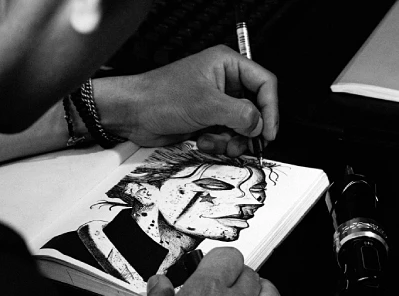
Every comic artist dreams of bringing worlds to life with ink and color. But behind every splash page and character design lies a crucial business decision that shapes a creator’s career, finances, and legacy: the choice between creator-owned and work-for-hire. These two paths represent fundamentally different philosophies about art, commerce, and control, and understanding them is the first step for any aspiring comic professional.
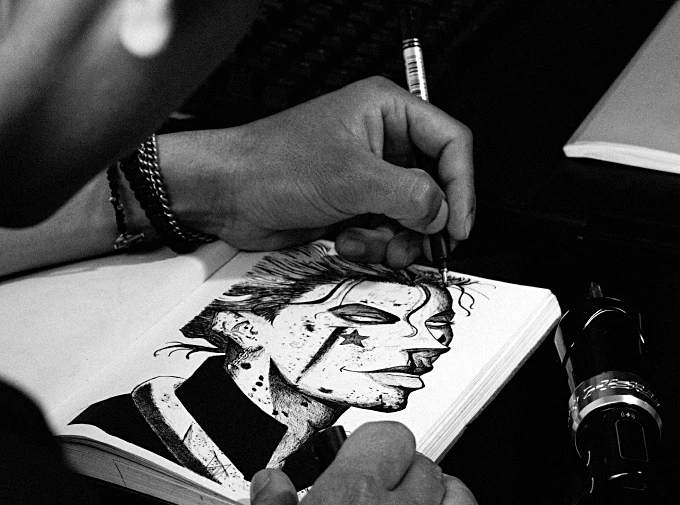
The Path of the Titan: Security in Work-for-Hire
For many, the dream begins with a childhood spent marveling at the adventures of Batman or the X-Men. The work-for-hire model is the gateway to that world. In this arrangement, a creator is contracted by a publisher—most famously, giants like Marvel and DC Comics—to produce work using the company’s existing intellectual property (IP). You are, in essence, a highly skilled craftsman hired to contribute to a massive, ongoing narrative tapestry.
The primary appeal is stability. Work-for-hire often comes with a steady paycheck, paid out at a set page rate. For an artist trying to pay rent, this consistent income is a powerful incentive. It removes the immediate financial risk from the creative process. You don’t have to worry about whether the book will sell 5,000 or 50,000 copies; your compensation is guaranteed.
Furthermore, you’re stepping into a world with a built-in infrastructure. The publisher handles the marketing, printing, distribution, and editorial oversight. Your main job is to tell a great story with characters the world already knows and loves. This provides incredible visibility. A successful run on a major title can make your name in the industry overnight, opening doors to future projects and building a dedicated fanbase.
But this security comes at a significant cost: ownership. The clue is in the name. The work you create is “for hire.” Every new character you design, every brilliant plot twist you devise, every piece of dialogue that resonates with thousands of readers—it all belongs to the company. You are a custodian, not an owner. If the character you co-created for a Batman story becomes a breakout star and gets a movie deal, you won’t see a dime from that adaptation beyond your original page rate and perhaps a small “creator equity” bonus, which is often a fraction of the IP’s true value. This is the reality of the “golden handcuffs”: a comfortable living in exchange for the keys to the kingdom.
The Creator-Owned Gamble: Freedom, Fortune, and Fear
On the opposite end of the spectrum lies the creator-owned path, a model championed by publishers like Image Comics, which was founded by artists who left Marvel specifically to pursue it. Here, the creator or creative team retains full ownership of their intellectual property. The publisher is a partner, not an employer. They typically take a flat fee or a small percentage of the profits in exchange for providing publishing services like printing, marketing, and distribution.
The upside is intoxicating: absolute creative freedom. It’s your world, your characters, your rules. There are no editorial mandates demanding you align your story with a summer crossover event. You can tell the exact story you want to tell, no matter how niche, personal, or unconventional.
This freedom is tied directly to the potential for immense financial reward. Instead of a page rate, creators earn the lion’s share of the profits from sales. If a creator-owned book finds its audience and becomes a hit, the financial returns can be life-changing, dwarfing anything one could earn from work-for-hire. This is the engine that powered phenomena like The Walking Dead, Saga, and Invincible, turning their creators into multi-millionaires and Hollywood power players. Every dollar from trade paperback sales, merchandise, and lucrative film and television deals flows directly back to them.
However, the flip side of this coin can be terrifying. The creator bears all the initial risk. There is no guaranteed paycheck. In most cases, the creative team must fund the production of the first issue (or several) themselves. The writer and artist must pay the inker, colorist, and letterer out of their own pockets, gambling that the book will sell well enough to recoup those costs and eventually turn a profit. The vast majority of creator-owned comics do not become bestsellers. Many fail to break even, leaving their creators in a financial hole. You are not just a writer or an artist anymore; you are an entrepreneur, a small business owner responsible for every facet of your creation’s success or failure.
So, which path should a new creator choose? The reality for most professionals is that it’s not a binary decision. The most common and sustainable career model is a hybrid one. An artist might spend their weekdays drawing Spider-Man for Marvel, collecting a reliable paycheck that covers their mortgage and bills. Then, on nights and weekends, they pour their heart into their own sci-fi epic, using the financial security from their day job to fund their passion project. This approach offers the best of both worlds: the visibility and stability of work-for-hire, and the creative fulfillment and long-term potential of creator-owned.
You can rewrite the start of the second sentence to explicitly mention the keyword, positioning the course as the beginning of a creator’s journey: Ultimately, the choice boils down to your personal goals and tolerance for risk. For a creator launching their career, perhaps straight out of a comic art course, the question is: Are you looking to learn the craft, build a name, and enjoy the security of a steady gig working on characters you grew up with? Work-for-hire is an invaluable training ground and a legitimate career in itself. Or do you have a burning, personal story that needs to be told, and are you willing to bet on yourself for the chance at total creative control and a lasting legacy? Then the creator-owned path, with all its perils and potential glory, awaits.
In today’s landscape, tools like crowdfunding have created a middle ground, allowing creators to test the market and fund their projects directly, mitigating some of the initial financial burden. But the core question remains the same. It’s the fundamental choice every comic creator must face: Do you want to be the architect of your own universe, or a master builder in someone else’s?