Most creative professionals pour everything into their craft. Legal stuff usually comes last. Artists, musicians, filmmakers, and designers build careers on original work. But here’s the thing. That work needs protection. The creative economy pulls in billions every year. Still, plenty of creators don’t know the basics of protecting what they make.
Legal problems hit creative careers harder than you’d think. Copyright fights break out all the time. A bad contract can sink an entire project. Attwood Marshall lawyers see more creative professionals asking for help these days. The industry gets messier by the year. Good news though. Learning a few legal basics stops most problems cold.
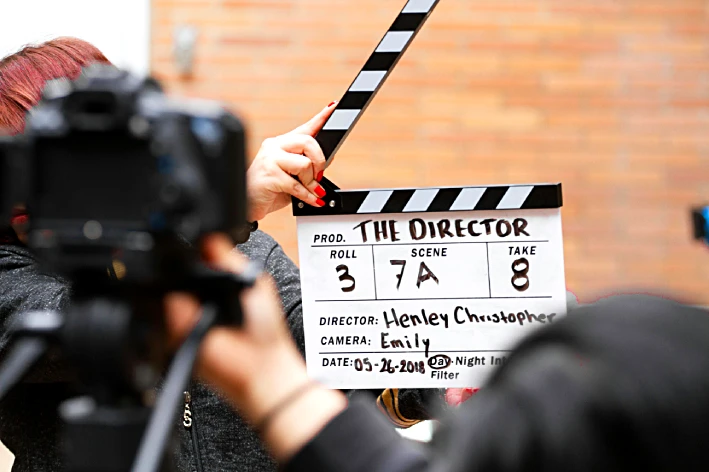
Photo by Martin Lopez
Understanding Copyright and Intellectual Property
Copyright laws keep your creative work safe. Every artist and musician deals with them. Here’s what you need to know.
Automatic Copyright Protection
Your work gets copyright protection the moment you create it. No paperwork needed in Australia. The rights are already yours. This covers music, art, films, and photos. Your writing gets protected too. Keeping records of when you made something helps prove ownership later. Save those drafts and timestamps.
What Copyright Gives You
Copyright hands you exclusive rights to your work. You control who copies it, publishes it, or changes it. These rights stick around for your lifetime plus 70 years. Nobody can swipe your work without asking first. Some exceptions exist for criticism and news reporting. Knowing these rules helps you protect your stuff. You’ll also know when borrowing from others is okay.
Trademark Protection
Trademarks work on a different track than copyright. They protect your brand name and logo. Lots of creatives build recognizable brands over time. Your studio name has real value. Getting a trademark stops copycats cold. The process drags on for months. But the protection beats common law rights every time.
Contract Essentials for Creative Work
Good contracts kill disputes before they start. Every creative needs solid agreements. Put everything in writing.
What Every Contract Needs:
- Project scope spelled out clearly
- Hard deadlines and milestones
- Payment amounts and schedule
- How many revisions you’ll do
- Who owns what afterward
- How either side can walk away
Work-for-hire deals need extra attention. These hand copyright from you to the client. Commercial work runs on these agreements a lot. They mess with your long-term rights. Read everything twice before signing. Some deals let you keep portfolio rights. You might show the work when promoting yourself. Fight for these terms early. Saves headaches down the road.
Licensing works differently. You keep ownership but let others use your work. Maybe a magazine runs your photo once. A film uses your song for one soundtrack. Spell out the license terms. Cover how long, where, and in what format. Say if it’s exclusive or not. The U.S. Copyright Office has solid info on licensing.
Business Structure Considerations
How you set up your business changes everything legally. It hits your taxes too. Pick what fits your situation.
Sole Trader Setup
Going solo keeps things simple. Costs stay low. Taxes aren’t complicated. Most creatives start here. But you’re on the hook personally for everything. Someone sues your business? Your house is fair game. Your savings too. That risk grows as you make more money.
Companies and Asset Protection
Setting up a company puts a wall between you and the business. Your personal stuff stays separate. A company limits what you could lose. Only company assets are at risk. More paperwork comes with it. Compliance stuff piles up. But established creatives usually find it worth the hassle.
Partnership Agreements
Lots of creative work happens in teams. Multiple people on one project. Partnership deals sort out who does what and how profits split. Many partnerships blow up without clear terms. Nobody knows who owns what. People can’t agree on decisions. A written agreement stops this mess. Cover what happens if someone quits. Spell out who contributes what. Lock down who owns the intellectual property.
Handling Disputes and Conflicts
Even good planning can’t stop every dispute. Payment fights top the list. Clients refuse to pay sometimes. They say the work isn’t good enough. You say you delivered what they asked for. Keep detailed records of every project. Talk regularly with clients. Cuts down on confusion.
Ways to Solve Disputes:
- Talk it out directly first
- Bring in a mediator
- Try small claims court for under $10,000
- Go to court for serious cases
Mediation costs way less than court. A neutral person helps you both find middle ground. Works great when you want to keep doing business together. Usually wraps up faster than lawsuits. Plenty of contracts now say you have to try mediation first.
Small claims courts handle smaller beefs. Most places cap these at $10,000 in Australia. Perfect for unpaid invoices. Minor contract breaches fit here. Less formal than big courts. You don’t need a lawyer. But bring your evidence. Contracts, emails, invoices. All of it.
Employment and Freelance Considerations
How you classify workers matters big time. Contractors and employees have different rights. Changes your tax setup. Affects retirement contributions. Workplace protections shift around. Getting this wrong causes problems for everyone. The tax office looks at control, hours, and whether you can hire help.
Freelance contracts need clear terms. Spell out payment expectations. Say who owns the final product. Cover how to end the deal. Net 30 days is pretty standard for payment. Some fields move faster or slower. Toss in late fees. People pay on time more often. Say if you invoice at the end or in chunks. Big projects usually pay in stages. The Australian Government Business website has contract templates you can use.
Non-compete clauses limit where you can work next. Can’t easily jump to a competitor. Starting your own competing thing gets tricky. These only hold up if they’re reasonable. Time limits, location, and what’s covered all matter. Courts don’t like agreements that stop you from earning a living. Get legal advice before signing anything restrictive. Your future depends on it.

Photo by Gustavo Fring
Building Legal Awareness
Legal smarts help creative careers last. Most problems can be avoided. A little knowledge goes far. Good records matter even more.
Save everything. File your contracts. Keep emails. Store project files properly. This stuff becomes proof if fights break out. Shows what everyone agreed to.
Lawyers cost money upfront. But they save way more later. Talk to one for big contracts. Get help with partnerships. Bring them in when disputes start. Plenty of firms do fixed-fee consultations. They’ll answer specific questions without breaking the bank. Protects your work and your business.
Creative industries keep changing. Technology shifts everything constantly. New platforms pop up monthly. Different business models appear. All this creates fresh legal questions. Stay current on what affects your field. Professional groups often have legal resources. Members get updates and advice. Learning your rights builds a better foundation. Know your obligations too. That’s how creative careers survive long-term.