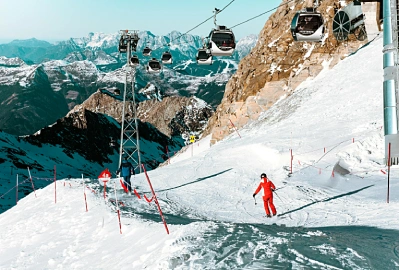
French skiing has always carried a certain confidence. The lift systems work, the towns are well set up, and the food rarely disappoints. For skiers considering the top end of the market, the appeal extends well beyond square footage and spa menus. It’s about waking above the tree line in Val d’Isère, skiing straight into a long lunch in Courchevel 1850, browsing independent boutiques in Megève, and hiring a private guide in Chamonix who actually knows the snowpack rather than just the route. This guide focuses on where that luxury feels tangible and how it connects across the French Alps.
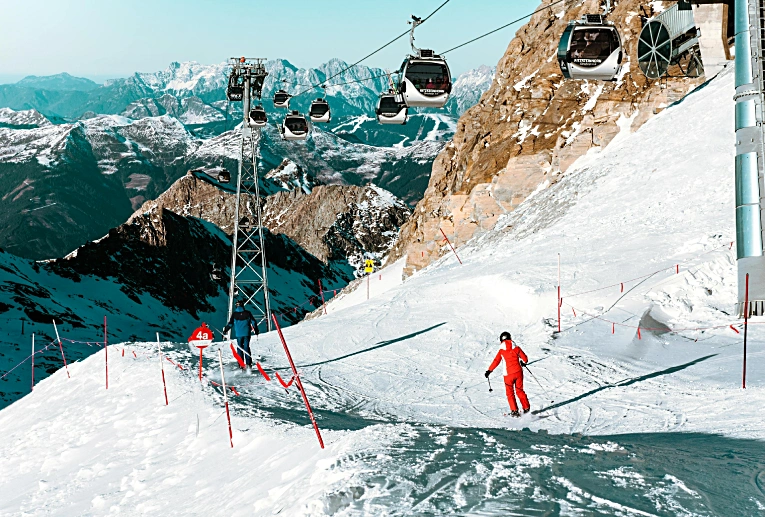
Exclusive Design and Panoramic Views at Chalet Orca in Val d’Isère
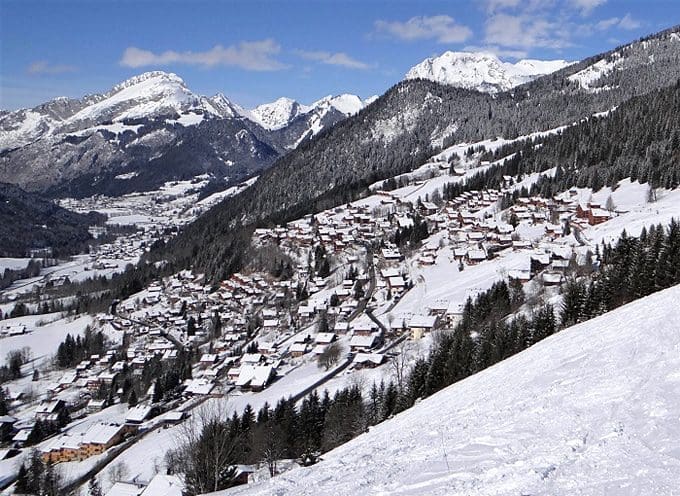
In Val d’Isère, altitude shapes everything. The village sits at 1,850 meters, and the skiing stretches up toward Bellevarde and the Pisaillas Glacier. Chalet Orca is positioned to take full advantage of that setting, with wide terraces facing the Solaise side and uninterrupted views across the valley. The architecture follows the local code, timber and stone, but the interiors lean modern, with clean lines and oversized windows rather than heavy alpine décor.
Guests looking to stay in luxury ski chalets in Val d’Isere tend to cluster in areas like Le Crêt and Les Carats, where properties sit slightly above the main road and offer ski-in access without the late-night noise from Avenue Olympique. From the chalet, it’s a short drive or a brisk walk down to the Front de Neige, where the main lifts connect into the wider Tignes–Val d’Isère area.
Serious skiers head straight for the Face de Bellevarde, the old Olympic run, early in the morning before it firms up too much. For a quieter setting, Le Fornet at the far end of town feels almost like a separate village. The Fornet cable car accesses long, rolling terrain with fewer crowds, and the village itself still has narrow streets and traditional façades. Evenings usually revolve around Rue du Coin and the stretch near Place Jacques Mouflier. It’s compact enough that moving between the chalet, slopes, and dinner doesn’t require many logistics.
High-End Gastronomy and Michelin-Starred Dining in Courchevel
Courchevel operates on multiple levels, literally. Courchevel 1850 is where most of the high-end hotels and Michelin-starred dining rooms are concentrated, centered around La Croisette. The streets here are broad and lined with ski boutiques and galleries. Gastronomy is taken seriously. Tasting menus often run long, and reservations are essential in peak season, especially during the Christmas and February school holiday weeks.
The culinary scene in Courchevel/Les 3 Vallées features a mix of hearty, traditional mountain dishes and high-end gastronomy. Local specialties include Fondue Savoyarde, Raclette, Tartiflette, Crozets, and Diots (Savoie sausages). Courchevel, especially 1850, is also known for its numerous restaurants offering contemporary French cuisine.
A discerning diner can start the morning on the slopes of Courchevel, enjoy a haute cuisine lunch in Méribel, and even reach the elevated fine-dining establishments of Val Thorens if conditions are right.
Designer Boutiques and Refined Après-Ski in Megève
Megève feels different from the purpose-built resorts. The centre is anchored by Place de l’Église, marked by its church tower and horse-drawn carriages in winter. Streets such as Rue Charles Feige and Rue Saint-François are lined with designer boutiques and specialist food shops. It’s compact enough to explore on foot, and most of the higher-end hotels are tucked just off the central square, making it easy to move between shopping, skiing, and dinner without needing a car.
The skiing spreads across Mont d’Arbois, Rochebrune, and Le Jaillet. Mont d’Arbois is the most established sector, with wide, tree-lined runs that hold up well in mixed weather. From the center, the Chamois gondola lifts directly from the edge of town, which means visitors can finish shopping and be on the slopes within minutes.
Après-ski here is polished and refined, with a more elegant atmosphere. Terraces fill up along the base of the lifts in the late afternoon, but it never feels chaotic. Those who want more skiing variety can drive about an hour to Chamonix, making it entirely feasible to pair Megève with a few days in a more challenging alpine setting.
Private Guiding and Off-Piste Excellence in Chamonix-Mont-Blanc
Chamonix-Mont-Blanc sits beneath the Mont Blanc massif and has a different energy from the more polished resorts. The town runs along Rue du Docteur Paccard and Place Balmat, with gear shops, bakeries, and guiding offices sharing space. The Aiguille du Midi cable car dominates the skyline. From its upper station, skiers can access the Vallée Blanche, a long glacial descent that requires a certified guide and proper equipment. Crevasses pose a real risk, and weather conditions can shift quickly at altitude, making an experienced guide essential.
Private guiding here isn’t about luxury for show. It’s about safety and access. Guides often meet clients near the Compagnie du Mont-Blanc offices in the center before heading up. Beyond the Vallée Blanche, areas like Grands Montets and Le Tour offer serious off-piste terrain when conditions align.
Unlike fully linked resorts, Chamonix’s ski areas are spread out, so moving between them usually involves short bus rides along the valley floor. Evenings tend to center around the main pedestrian streets, and the crowd mixes alpinists with luxury travelers seeking more demanding terrain than groomed pistes.
Holistic Wellness and World-Class Spas in Méribel
Méribel sits in the middle of Les 3 Vallées, which makes it strategically useful for anyone who wants access in both directions. The architecture follows a chalet style, with consistent wood façades and sloping roofs, especially around Méribel Centre and Méribel Village. The main lift hub is near La Chaudanne, where skiers can head toward Courchevel on one side or Val Thorens on the other.
Wellness has become a defining feature here. Many of the higher-end properties include serious spa facilities with indoor pools, hydrotherapy circuits, and treatment rooms that operate beyond basic massage menus. After a full day linking runs between Méribel and the Saulire sector above Courchevel, those facilities are an integral part of the experience.
The Parc Olympique, originally built for the 1992 Winter Games, remains a focal point with its ice rink and fitness center. Moving around town is simple using the free shuttle buses that connect the different hamlets. That makes it realistic to stay slightly outside the center for privacy while still reaching the slopes and spa complexes easily.
Ready to experience the peak of French luxury?
Luxury skiing in France isn’t confined to one resort. It’s spread across distinct towns, each with its own strengths. Val d’Isère offers high-altitude reliability and serious terrain. Courchevel builds its identity around gastronomy and polished infrastructure. Megève balances skiing with boutique culture. Chamonix pushes into mountaineering territory, where guiding is essential. Méribel sits at the crossroads, combining access with wellness. Together, they form a network that’s easy to navigate by road transfers or helicopter links for those who prefer speed.