
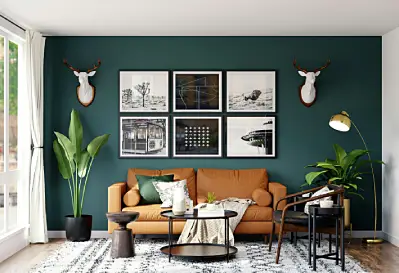
Houses once served as static displays designed to impress visitors during weekend gatherings. Modern homeowners look at physical structures through a completely practical lens centered around daily comfort.
Spaces now reflect personal habits, mental health priorities, and shifting daily routines instead of trendy paint colors or standard furniture catalogs. Structural planning places daily movement at the center of every architectural choice.
Rethinking Room Functions and Layouts
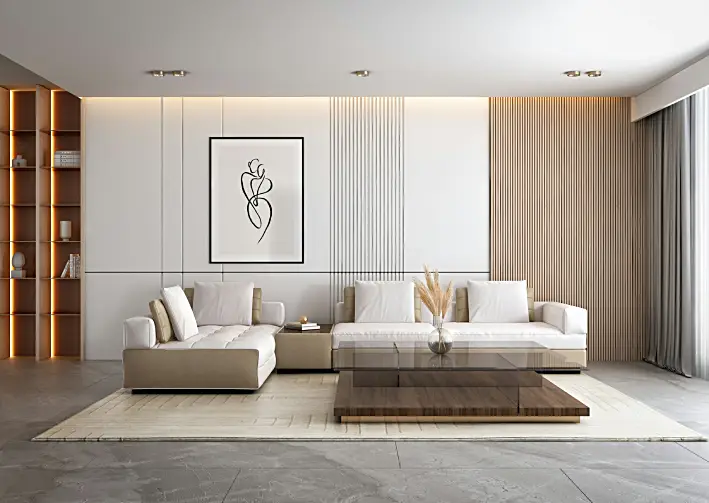
Owners now reconfigure interior layouts to suit changing daily needs rather than strict traditional room definitions. Planning a whole-home renovation allows families to construct personal spaces that support working from home and relaxing simultaneously. These choices make dynamic use of floor plans that previously sat empty most of the week.
Spare bedrooms turn into dedicated focus zones or private workout rooms. Formal dining areas transform into open community spaces where families gather throughout the day. Multipurpose rooms replace rigid single-use areas to accommodate shifting daily schedules. Removing physical partitions opens up natural light and encourages effortless communication across household members.
Financial Investments in Existing Properties
Spending patterns show that residents prefer upgrading existing structures over trading up in real estate markets. Data indicates that home improvement and repair spending rose from $404 billion in 2019 to $611 billion in 2022, staying above $600 billion through 2025.
Investing in current structures allows people to lock in long-term comfort without high moving costs. Capital flows straight into practical upgrades like soundproofing, insulation, and durable surfaces. Property owners prioritize lasting material quality over short-lived style trends. These financial commitments demonstrate a permanent focus on improving living conditions.
Environmental Priorities and Health
Physical spaces directly influence mental balance and daily physical health. Industry research shows consumers seek deep connection by pairing eco-friendly materials with wellness priorities. Sustainable products reduce exposure to volatile compounds while providing cleaner interior spaces.
Modern systems focus heavily on air quality and thermal performance. Combining insulation upgrades with full electrical rewiring doubles the overall decarbonization benefits of property updates. Higher efficiency systems maintain stable temperatures while reducing energy consumption.
These choices lower utility expenses while maintaining consistent interior temperatures. Living spaces become healthier environments that actively reduce daily stress. Clean air filtration and balanced natural light contribute directly to improved sleep cycles. Proper lighting design supports biological rhythms across different times of day.
Structural Adaptation over Relocation
Many families decide that staying in an established neighborhood offers more stability than moving away. Property owners regularly submit custom planning applications to rebuild current structures around unique family activities. Modifying existing floor plans creates customized living areas tailored to long-term goals.
Adapting Spaces for Evolving Families
Custom additions replace standard floor plans with flexible layouts. Rooms morph as children grow up or as aging relatives move inside. Wall removals and light additions make older houses feel completely new. Architectural flexibility allows families to expand or divide rooms as circumstances shift.
Dedicated zones for quiet study keep work activities separated from personal rest areas. Acoustic insulation inside interior walls keeps individual activities quiet and private. Thoughtful floor plan adjustments prevent clutter from spreading into shared living areas.
Personal Stories Built into Interior Architecture
Decorating trends used to encourage standard styles that looked like retail showrooms. Today, story-driven rooms reflect origin, meaning, and personal identity through curated materials. Incorporating historical items gives modern rooms a sense of grounded character.
Modern design choices emphasize meaningful details over generic decor items:
- Custom woodwork using salvaged timber from regional properties
- Display alcoves dedicated to personal collections and family heirlooms
- Color choices derived from local geography and historical structures
- Built-in furniture pieces crafted by regional artisans
Personal touches make houses feel like genuine shelters. Unique details create authentic connections to the surrounding physical environment. Thoughtfully chosen materials tell stories that generic decor simply cannot replicate. Displaying handcrafted objects anchors residents to their personal heritage.
Long-Term Planning for Accessibility and Smart Tech
Designing for the future requires thinking about accessibility long before mobility challenges arise. Upgrading interior pathways reduces fall risks and prevents early loss of independence for aging residents. Zero-threshold doorways and wider hallways accommodate users of all ages seamlessly.
Flexible architectural plans and smart technology systems define modern structural construction. Integrated systems manage lighting, heating, and security systems automatically to maximize home efficiency. Smart controls allow residents to customize lighting schedules and room temperatures from central panels.
Acoustic Comfort and Spatial Harmony
Physical comfort involves sensory elements like sound control and visual balance. Installing acoustic ceiling panels and sound-dampening wall materials reduces noise transmission between busy rooms. Quiet environments promote better concentration during work hours and restful sleep at night.
Organized storage systems keep daily essentials hidden, maintaining visual order. Integrated cabinetry turns unused wall space into functional storage units. Uncluttered rooms encourage mental clarity and reduce visual fatigue after long work days. Strategic placement of windows maximizes natural daylight while maintaining privacy.
Designing a home has evolved into a personal, thoughtful process. Modern choices prioritize health, long-term adaptability, and emotional connection over superficial decorative trends. Investing in function and quality turns ordinary physical structures into supportive environments built to last. Careful planning guarantees that living spaces remain comfortable for decades.
written by Alexa Wang