

We spend roughly 90% of our time indoors, making the air quality in our homes more crucial to our health than many of us realize. Poor indoor air can trigger allergic reactions, aggravate asthma, and even affect how well we think and sleep. While basics like opening windows and keeping a clean house form the foundation of healthy indoor living, some households find additional help from solutions like using an air purifier to tackle airborne pollutants. That said, genuinely clean indoor air demands a well-rounded approach that extends well beyond any single gadget or quick solution.
Understanding Indoor Air Quality
Indoor air quality describes how clean and healthy the air is inside buildings. Here’s something that might surprise you: while outdoor air pollution gets plenty of headlines, the air inside our homes can actually be two to five times more polluted than what’s outside, according to the Environmental Protection Agency.
The culprits hiding in our indoor air include dust mites, pet dander, volatile organic compounds (VOCs) released by cleaning products and furniture, mold spores, pollen, and particulate matter from cooking and heating. These pollutants sneak in through our daily routines, building materials, furnishings, and ventilation systems that aren’t doing their job properly.
Study after study shows that breathing poor-quality indoor air can worsen respiratory problems, disrupt sleep, and make it harder to concentrate. The World Health Organization stresses that maintaining good indoor air quality isn’t just about comfort—it’s essential for preventing both immediate symptoms and serious long-term health issues, especially for children, elderly individuals, and those with existing health conditions.
Foundational Steps for Cleaner Air
The most powerful strategies for better indoor air quality begin with simple, low-cost practices that pack a real punch.
Proper ventilation forms the cornerstone of clean indoor air. Cross-ventilation—opening windows on opposite sides of a room—gets air moving naturally and dilutes pollutants before they can build up. Kitchen and bathroom exhaust fans work overtime to capture moisture and contaminants right where they start, stopping them from spreading throughout your home.
Smart housekeeping makes a dramatic difference in reducing allergen levels. Weekly vacuuming with a HEPA-filtered machine picks up those tiny particles that regular vacuums just push around. Washing bedding in hot water—at least 130°F—wipes out dust mites, while damp-dusting keeps particles from floating back into the air you breathe.
Humidity control keeps moisture levels in that sweet spot between 30-50%. This range puts the brakes on mold growth and dust mite multiplication while preventing the respiratory irritation that comes with air that’s too dry. Running bathroom fans during showers and fixing water leaks quickly can make all the difference.
Key Takeaway: Simple daily habits—like opening windows for 15-20 minutes, running exhaust fans, and sticking to regular cleaning routines—create the foundation for healthier indoor air.
Advanced Strategies and Technologies
Once you’ve mastered the basics, several technologies can take your indoor air quality to the next level when used as part of a complete strategy.
Air purifiers pull air through different types of filters to clean it up. HEPA filters trap particles as tiny as 0.3 microns, catching everything from pollen to dust mites, while activated carbon filters soak up odors and certain VOCs. Keep in mind that these devices aren’t miracle workers—they can’t eliminate every pollutant and perform best in rooms that stay relatively sealed.
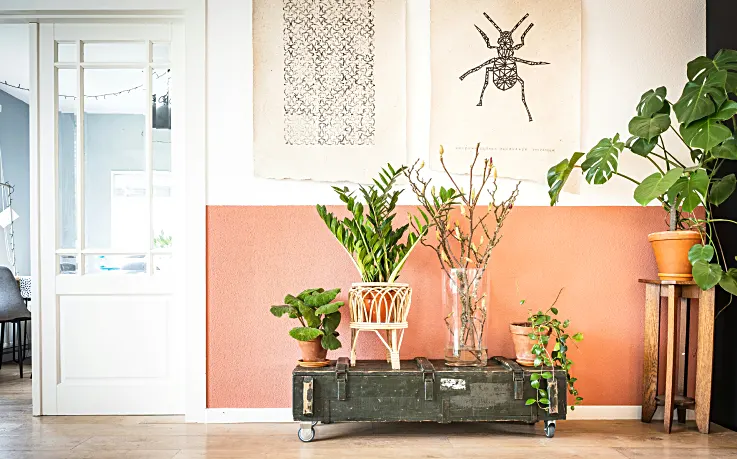
Houseplants provide some air-cleaning benefits, though that famous NASA plant study created conditions you’d never find in a real home. While plants like snake plants and pothos can absorb certain indoor pollutants, they’re no substitute for good ventilation and regular cleaning.
Smart monitoring devices give you real-time updates on your air quality, helping you spot pollution sources and track how well your efforts are working. These sensors measure particulate matter, VOCs, and humidity levels, so you can target problems more effectively.
Special Considerations for Vulnerable Groups
Children and older adults face greater risks from poor air quality because their respiratory systems are either still developing or have become more sensitive over time. For these family members, allergen-proof covers for mattresses and pillows, frequent washing of stuffed animals, and steering clear of scented products become especially important.
People with allergies and asthma benefit from focused strategies like keeping indoor humidity under 50% to discourage dust mites, choosing fragrance-free cleaning products, and setting up “clean zones” in bedrooms with better filtration and fewer fabric surfaces that trap allergens.
Healthcare providers often suggest that sensitive individuals start by improving bedroom air quality, since we spend about a third of our lives sleeping. This targeted approach delivers maximum health benefits while keeping costs and effort manageable.
Maintaining a Healthy Home Long-Term
Keeping indoor air quality consistently good requires staying on top of regular maintenance. Filter replacements for HVAC systems and air purifiers should happen according to manufacturer guidelines—usually every 3-6 months. Professional duct cleaning every 3-5 years clears out built-up debris and keeps air flowing efficiently.
Seasonal adjustments help you optimize your approach as conditions change. Spring cleaning should include deep-cleaning carpets and washing window treatments to clear out allergens that have accumulated over winter. During colder months, you might need to pay extra attention to humidity control since heating systems tend to dry out indoor air.
Building awareness in your community and supporting policies that encourage healthier building standards creates improvements that benefit everyone.
Key Takeaway: Long-term success means establishing maintenance routines, staying current with new research, and adjusting your strategies as seasons change and life evolves.
Final Reflections
Creating healthier indoor air starts with recognizing that there’s no magic bullet for every air quality challenge. The most effective approach weaves together proper ventilation, consistent cleaning, humidity control, and when it makes sense, supplemental technologies. Every home has its own quirks and needs, so your strategy should reflect your specific situation.
Instead of chasing perfect solutions, focus on steady improvement through methods backed by solid evidence. Begin with those foundational steps that cost little but deliver big results, then gradually layer in additional strategies based on what your home and family need. Remember, small actions done consistently often create more meaningful change than expensive one-time purchases.
If you’re dealing with persistent problems or specific health concerns, consider bringing in indoor air quality professionals for guidance. Your path to cleaner indoor air is an ongoing journey, and sharing what you learn with others helps build healthier communities for everyone.