
Heatwaves are becoming more common across the UK – which can be a problem, as many homes and workplaces are not built for prolonged high temperatures. Without air conditioning, indoor spaces can get very uncomfortable, stuffy and even unsafe, particularly for older people, young children, pregnant people and those with health conditions. However, the good news is that simple changes to routines, airflow and shading can make a noticeable difference.
Identify where heat gets in and out
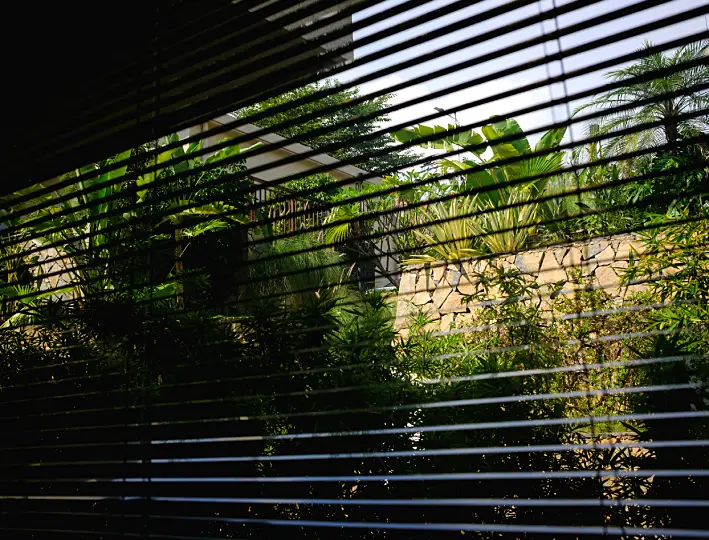
Before the hottest weather arrives, look at the rooms you use most and identify where heat is getting into the space. Then work on blocking the heat out. For example, reflective window film, thermal curtains and motorized blinds for your home can all help reduce direct sunlight before it turns rooms into ovens. In offices, agree a heat plan early so that staff know where the coolest areas are, when to ventilate and how to adjust working patterns.
If possible, create shade outside the glass with awnings, parasols, plants or temporary fabric screens. External shading works better than internal shading because it blocks sunlight before it passes through the window. In offices, move desks away from large windows and avoid placing heat-sensitive equipment in direct sun.
Ventilate at the right times
Opening every window during the hottest part of the day often makes indoor temperatures worse. If the air outside is hotter than the air inside, keep windows and doors closed as much as possible. Open them early in the morning, late in the evening and overnight if it is safe to do so.
Try to create cross-ventilation by opening windows on opposite sides of the building. If there is only one window, use a fan to pull cooler air in during the morning or push warm air out in the evening. Keep internal doors open when you want airflow, and close them when you need to keep one room cooler.
Use fans more effectively
Fans do not cool the air, but they help sweat evaporate, which cools the body. Place a bowl of ice or a frozen water bottle in front of a fan for a short-term cooling effect. In the evening, position a fan near a window to help draw in cooler air or expel warm air.
Turn fans off when rooms are empty, as motors generate a small amount of heat and waste electricity. In offices, provide desk fans where safe, but avoid overloading extension leads. Keep cables tidy to prevent trip hazards.
Reduce indoor heat sources
Many everyday appliances add heat to a room, and even small amounts of appliance-generated heat can add up if you’re spending all day indoors. So, during a heatwave, avoid using ovens, hobs, tumble dryers and dishwashers at peak times. Choose cold meals, batch-cook early in the morning or use a microwave, which produces less heat than an oven.
Switch off unnecessary lights, monitors, printers and chargers. Traditional bulbs produce more heat than LED lighting, so replacing them can help in the long term. In workplaces, encourage staff to shut down unused equipment rather than leaving it on standby.
Stay hydrated and dress wisely
Drink water regularly, even if you do not feel thirsty. Keep bottles visible at home and provide water stations in offices. Avoid relying heavily on caffeine or alcohol, as they can contribute to dehydration.
Wear loose, lightweight clothing made from breathable fabrics such as cotton or linen. In professional settings, employers should consider relaxing dress codes during extreme heat. Removing ties, jackets or heavy uniforms can make a real difference to comfort and concentration.
Create a cooler sleeping routine
Hot nights are often the hardest part of a heatwave. So, keep bedrooms shaded during the day and ventilate them once outdoor temperatures fall. Use lightweight bedding, chill a hot water bottle in the fridge, or place pillowcases in a sealed bag in the freezer for a few minutes before bed.
If upstairs rooms are too warm, consider sleeping downstairs, where temperatures are usually lower. Avoid vigorous exercise, heavy meals and hot showers close to bedtime, as these can raise body temperature.
Protect your health and productivity
Heat can cause headaches, dizziness, fatigue, confusion and nausea. If someone becomes unwell, move them to a cooler place, encourage them to sip water and use cool cloths on the skin. Seek medical help if symptoms worsen or heatstroke is suspected.
Employers should carry out a heat risk assessment, especially in spaces with poor ventilation, machinery or physical work. Flexible hours, extra breaks, remote working and moving tasks away from the hottest part of the day can help maintain safety and productivity.
Plan ahead for future heatwaves
Short-term fixes are useful, but long-term improvements offer better protection. Add insulation, improve loft ventilation, plant trees or climbing plants, and consider reflective roof or window treatments. Check weather warnings regularly and prepare early. With sensible planning and small daily adjustments, homes and offices without AC can remain safer and more comfortable during extreme heat.
words Al Woods