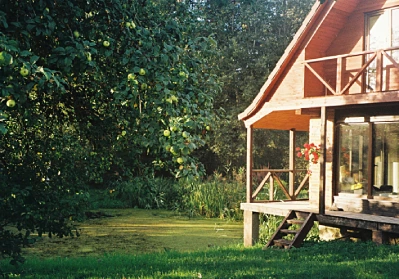
More and more homeowners are choosing garden cabins as an alternative to home extensions, as they are often more cost-effective and less disruptive. These garden rooms (also known as log cabins) can be used for anything you want. Use it as a home office or an art studio; these outdoor structures are very versatile. You can expect the market for garden buildings like log cabins to reach $11.2 billion in 2026 and $13.91 billion in 2030. They are rapidly rising in popularity due to changing lifestyles and the growth of remote living and working.
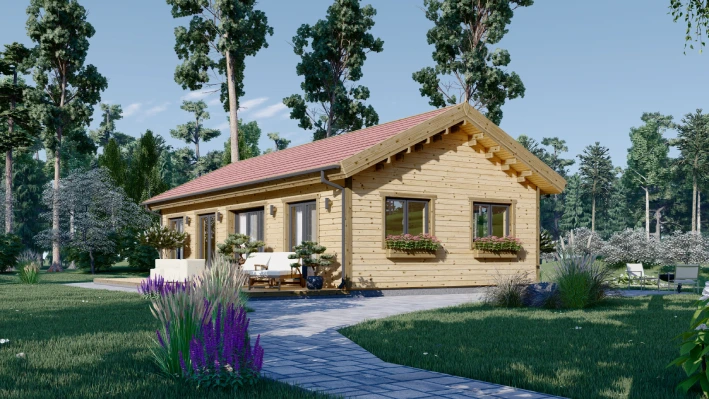
A garden cabin is usually a standalone structure built in the backyard or garden. It is designed to function as an extension of the home. Cabins provide many benefits, including added value to your property, which can increase by up to 15% with a high-quality cabin, versatile space for changing needs, and a way to avoid an expensive home renovation. The increased demand for garden offices is largely a result of remote work where people find them indispensable.
What Are Some Popular Styles of Garden Cabins?
A variety of different designs have become popular. In addition to looking good, they must also function well, though. Each style adds its own unique characteristics that can enhance a backyard.
- Today’s Minimalist Cabins have simple lines, a flat or low-pitched roof with large glazing. They frequently utilise slick materials, for example composite cladding and large bifold doors.
- The traditional look of log cabins is a rustic aesthetic that you can choose for your cabin. Log cabins are made by interlocking logs and provide a very cozy feel. People often reserve them for guest accommodation or retreats.
- Scandinavian Designs: Natural timber (often light colour), simple forms and economical use of space, are some of the defining features of this design.
- Modern pod-style cabins feature quirky, curved, or spherical architecture. They make a distinctive visual statement and make clever use of space.
How Garden Cabins Can Be Used for Various Purposes?
Garden cabins can be turned into useful spaces perfect for any need. Ideal for extending living or working space, they are very versatile. Since more people have begun working from home or as a remote worker, the most common use case of a garden cabin is as a home office.
A garden office must have good insulation so that you can work there all year round. You also need enough power sockets and reliable broadband internet. Adding soundproofing can also be a valuable addition.
Guest accommodation – If you intend to make your house a getaway for guests, you’ll want to get plumbing for a toilet or shower, heating, and somewhere to sleep. Most structures designed for continuous human habitation need planning permission and building regulations approval.
Art studios or creative garden cabins should have large windows or skylights for ample natural light. Key elements are having plenty of storage spaces for materials and dedicated workspaces.
When it comes to a garden gym or wellness retreat, durable flooring, good ventilation What Essential Features and Amenities Should You Considerand space for equipment are essential. Adding mirrors and a sound system can amplify the experience.
What Size and Layout Considerations for a Garden Cabin are Important?
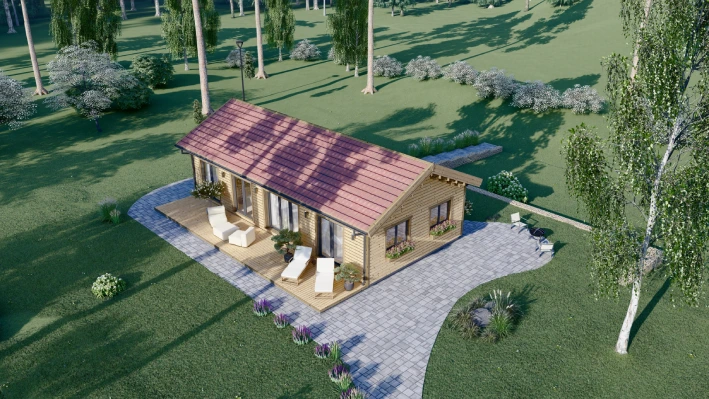
The size and layout of a garden cabin depend on its intended use and space available in the backyard. As a general rule of thumb log cabins that cover a floor area of over 25 square metres will require planning permission in the UK.
Tiny cabins (under 100 square feet) make a great micro-office, hobby nook, or garden storage space. These are often easier to put in with no planning.
A medium cabin is suitable to be used as a home office, art studio, or guest room. You can easily place furniture and move around in the rooms.
Large Cabins (200+ sq ft): Works well for guest suites with bathrooms and larger family rooms or gyms. These generally require more planning.
When you opt for an open-plan design, you allow more natural light into the space and add flexibility. However, with a partitioned plan, more privacy can be created by zoning different spaces within the cabin.
Which essential features and amenities should you check?
The garden cabin’s essential features and amenities are crucial to ensuring the comfort, functional and durability of the cabin year-round. To be comfortable all year long, insulation is crucial.
It is recommended that the u-values of all walls is lower than 0.30 W/m²K. This is significantly better than the England Building Regulations for 2010-2013. The high R-values and thermal efficiencies of PIR or rigid foam boards are quite popular.
All types of heaters including Electric Radiators or Underfloor heating should be part of the electrical setup. The cost of wiring a cabin is from £1,500 to £15,000.
There are many plumbing options you can choose from. You could connect to mains water and drainage for a toilet or sink. Or even a small kitchenette with a sink and a tap. The addition of running water and bathroom facilities, as in a garden room with shower and toilet, is costly.
Double-glazed windows and well-sealed doors ensure good thermal performance as well as security. You should use large panes whenever possible.
When Would You Require Planning Permission for a Garden Cabin?
Cabins in the garden need planning permission, but it depends on location, size and intended use; most garden cabins fall under “permitted development” rights. Many outbuildings in the UK, when kept within specific size and height limits, are considered permitted development, according to the Planning Portal.
A cabin would not require planning permission in the UK if it is not forward of the principal elevation and is single-storey, has a maximum eaves height of 2.5m, and a maximum overall height of 4m (dual-pitched roof) or 3m (other roofs) if over 2m from boundaries. Not more than 50% of the original house’s land should be covered by the cabin.
You will probably need planning permission if: Your cabin is going to be bigger or higher than what is specified, or if it is going to be residential (for example, sleeping accommodation) or you are going to situate it in a National Park or Area of Outstanding Natural Beauty.
First and foremost, check with your local planning authority and pay attention to the building regulations and codes of practice, especially in the way of foundations and stability. In Ireland, proposed changes may increase the standalone exemption to 45 square metres.
Summing up: your perfect garden cabin
The addition of a garden cabin can completely transform your backyard while also providing extra living space and increasing the value of your property. With a clear consideration of function and then style, budget and local planning restrictions, you can create a practical and attractive addition to your home. Focus on quality building methods and key utilities (such as insulation) to make sure your garden cabin is a comfortable and functional space for years to come. The first step is thorough research including talking to reliable suppliers and understanding your planning application. With a good garden cabin project, you can improve your lifestyle and make your garden a truly dynamic extension of your home.
FAQs
Do I need permission to install a garden cabin in my garden?
In the UK, many garden cabins fall under “permitted development” and do not require planning approval, so long as they satisfy certain conditions. These include a maximum eaves height of 2.5m, overall height limits of 4m for dual-pitched roofs or 3m for other roof types, and not covering more than 50% of the land around the original house. Planning permission is usually required for a cabin if it is residential, exceeds limits or conditions of permitted development or if it is in a designation area such as a National Park. In Ireland, a proposed change may increase the exemption to 45 square metres.
What is the price of installing a garden cabin?
Cost to install garden cabin price can vary widely from a shell to fully fitted out. You can find entry-level options like small log cabins or self-assembly kit costing £1,100 to £8,000. Insulated cabins with utilities generally cost between £5,000 and £22,750. Custom-built log cabins are available with high spec finishes and fully plumbed-in. They can be more than £30,000. While some cabins exceed a staggering £60,000. Besides this, there are installation, foundation, and utility hookup costs.
words by Anna Turnbull