Modern artificial spinal technology preserves natural flexibility, offering active adults an effective path toward pain relief without sacrificing agility.
Debilitating spinal pain can quickly hijack your personal vitality, making routine workouts, recreational sports, and basic daily movements feel like insurmountable hurdles. Active adults often find themselves torn between enduring chronic discomfort and facing traditional surgical options that might permanently alter their physical freedom.
Recent medical advancements offer a far more dynamic path forward for your long-term health. Modern surgical techniques allow you to address the underlying structural damage while keeping your spine moving as nature intended.
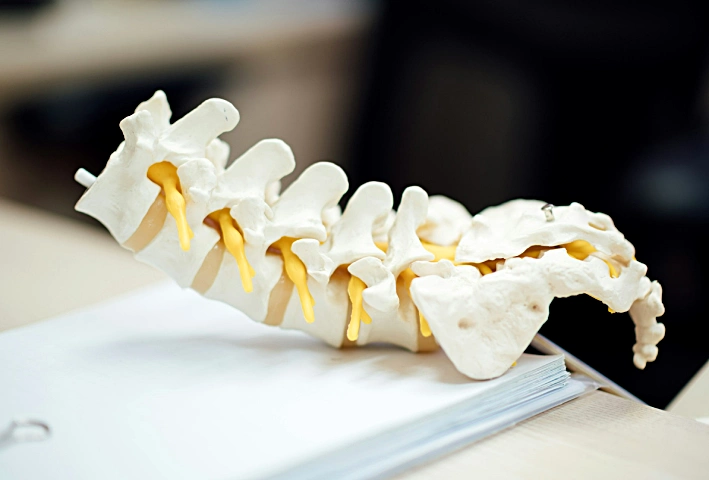
Why Do Traditional Fusion Methods Restrict Athletic Recreation?
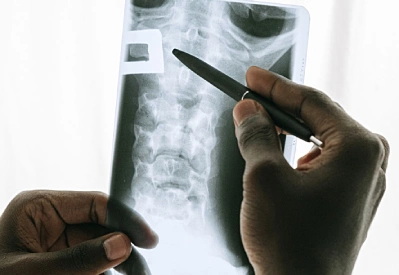
Standard spinal fusion procedures have long served as the primary surgical solution for severe disc degeneration or persistent back injury. By permanently welding two or more vertebrae together using bone grafts and metal hardware, fusion successfully eliminates painful movement at the affected site.
This rigid stability comes at a clear cost to your physical range of motion. Restricting motion across one segment forces adjacent vertebrae to absorb extra mechanical stress during bending, twisting, or high-impact athletic training. Over several years, this added friction can cause surrounding joints to wear down prematurely, potentially triggering new pain and limiting your athletic potential.
How Do Advanced Prosthetic Implants Replicate Natural Movement?
Preserving dynamic motion throughout your spine requires innovative solutions designed to mimic biological mechanics. Surgical options like artificial disc replacement utilize specialized medical devices to remove damaged tissue while keeping individual vertebral segments fully mobile and aligned.
These advanced implants feature durable articulating surfaces that slide and rotate smoothly alongside your body’s natural motions. Resting between vertebrae, the mechanical components absorb daily impact forces and distribute physical loads evenly across your column. Selecting an approach focused on structural flexibility helps active patients protect neighboring spinal joints from progressive stress and long-term wear.
What Are the Biomechanical Advantages of Motion-Sparing Tech?
Preserving natural spinal alignment helps maintain functional mobility across your entire kinetic chain, allowing surrounding muscles and ligaments to engage normally during physical exercise. Keeping individual joints flexible reduces compensatory strains on your hips, pelvis, and mid-back during dynamic athletic pursuits.
According to clinical insights from Johns Hopkins Medicine, motion-preserving spine procedures help active adults retain functional flexibility while reliably alleviating severe nerve pain. Maintaining organic alignment gives your lower back the resilience required to withstand repetitive physical impacts without sacrificing torque or fluidity.
How Does Targeted Conditioning Accelerate Surgical Recovery?
Achieving optimal outcomes from modern spinal interventions extends well beyond the operating room itself. Prehabilitation programs focus on strengthening your core musculature, improving hip mobility, and correcting postural imbalances long before your procedure date.
Data highlighted by the Cleveland Clinic demonstrates that pre-operative physical therapy and targeted core conditioning significantly speed up recovery times for spine patients. Building a strong muscular foundation around your torso creates a protective sleeve for your healing back, enabling a smoother transition back into structured exercise routines.
Key Prehabilitation Protocols for Active Patients
- Build deep core stabilization: Focus on activating your transverse abdominis and multifidus muscles to stabilize your lower spine without adding unwanted compressive forces.
- Restore hip mobility: Work on freeing up tight hip flexors and hamstrings to relieve unnecessary mechanical pulling on your lumbar region.
- Improve postural awareness: Practice neutral spine positioning during weight-bearing movements to protect surgical sites during daily activities.
What Does Your Path Back to Physical Independence Look Like?
Returning to an active lifestyle after spine surgery demands a thoughtful, phased approach to movement and conditioning. Early post-operative phases focus on gentle walking and light mobility work to encourage healthy blood flow and prevent joint stiffness.
As your body heals, physical therapists gradually reintroduce multi-planar movements, functional resistance training, and sport-specific drills tailored to your personal goals. Protecting your physical freedom over the long haul relies on medical choices that preserve natural body mechanics, ensuring you stay active, flexible, and pain-free for years to come.
How Can Personalized Surgical Planning Support Long-Term Athletic Goals?
Every active individual has unique physical demands, whether they enjoy recreational cycling, strength training, swimming, or competitive sports. Personalized surgical planning takes these lifestyle factors into account when evaluating the most appropriate treatment approach.
By considering spinal anatomy, the extent of disc damage, overall health, and desired activity levels, surgeons can develop a treatment strategy that balances pain relief, stability, and functional mobility. This individualized approach helps patients understand their options and set realistic expectations for returning to the activities they value most.
Equally important is the collaboration between spine surgeons, physical therapists, and patients throughout the recovery process. Regular assessments help monitor healing, identify potential limitations, and guide the gradual reintroduction of physical challenges.
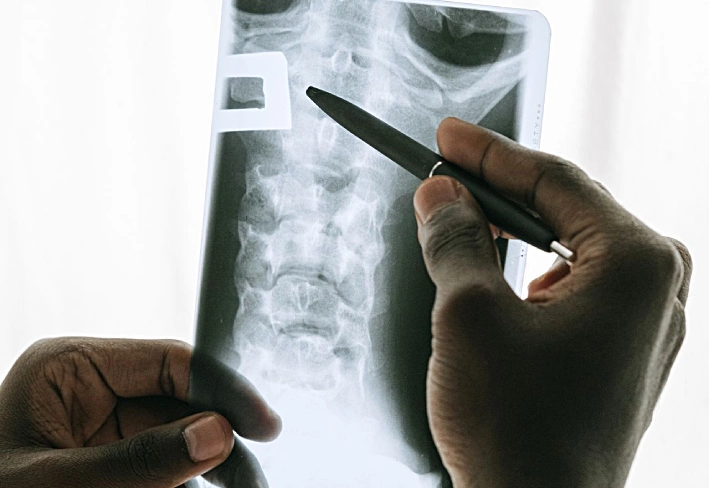
Living with chronic spinal pain does not necessarily mean giving up the physical activities that bring energy and fulfillment to everyday life. Advances in motion-preserving surgical techniques, personalized treatment planning, and targeted rehabilitation offer promising pathways toward improved comfort and functional independence.
written by Alexa Wang