Beauty has never existed in isolation. The products people buy, the scents they wear, and the routines they follow are shaped by music, fashion, entertainment, technology, social media, and broader cultural shifts. What feels like a sudden beauty trend is often the visible result of a much larger change in consumer behavior.
For beauty brands and publishers, understanding these connections is becoming increasingly important. Consumers are no longer discovering products through traditional advertising alone. They encounter ideas through creators, communities, cultural moments, search behavior, and conversations that move quickly between different platforms.
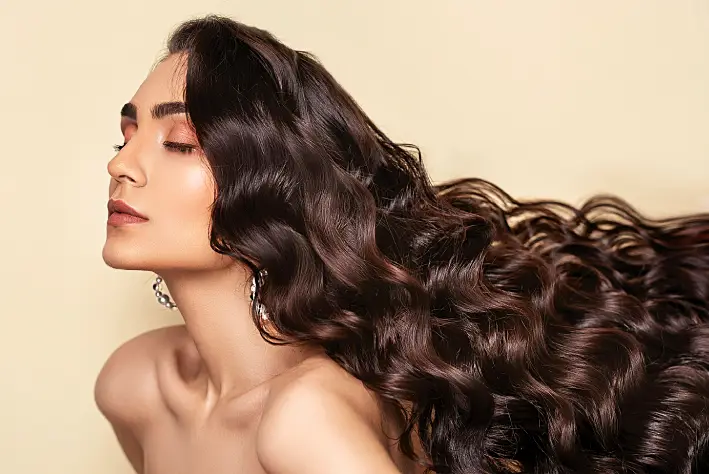
Beauty Is Becoming More Connected to Culture
One of the biggest changes in the beauty landscape is the way consumers connect beauty with their wider identities. A skincare routine can reflect lifestyle preferences, while makeup can become an extension of personal style. Even fragrance is increasingly treated as a form of self-expression rather than simply something applied before leaving the house.
This broader perspective helps explain why tracking cultural trends 2026 can provide useful context for anyone trying to understand where beauty demand may be heading. Cultural movements can influence everything from the aesthetics consumers gravitate toward to the ingredients, formats, and experiences they expect from brands.
For example, nostalgia can bring older aesthetics back into the mainstream, while interest in individuality can encourage consumers to experiment with unusual combinations or personalized routines. At the same time, changing attitudes toward wellness and self-care can blur the boundaries between beauty and other lifestyle categories.
Fragrance Is Becoming More Personal
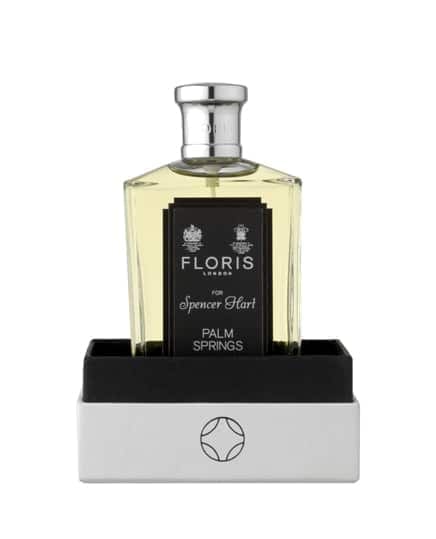
Fragrance offers a particularly interesting example of how consumer expectations are changing. For decades, perfume marketing often relied on a relatively simple idea: find a signature scent and wear it consistently.
Today, consumers have many more reasons to own and explore fragrances. They may choose different scents for different moods, seasons, occasions, or stages of life. Layering has also encouraged experimentation, allowing people to create combinations that feel more personal.
This shift has created space for brands to move beyond traditional fragrance categories. Consumers may be curious about unexpected notes, unconventional pairings, gourmand-inspired compositions, or scents that evoke specific memories and experiences.
Looking at fragrance trends 2026 therefore involves more than identifying which notes are becoming popular. It also means understanding why consumers want fragrance to play a more flexible role in their everyday lives.
Social Media Has Changed Beauty Discovery
Social platforms have transformed the journey between discovering a beauty product and purchasing it. A consumer might see a creator discussing a product, search for reviews, watch tutorials, compare alternatives, and then encounter the product again through another community.
This creates a much less linear path to purchase.
Beauty brands consequently have to think about more than visibility. They need to understand what makes people stop scrolling, what creates curiosity, and what gives consumers enough confidence to try something unfamiliar.
The most successful products can become part of cultural conversations rather than remaining confined to conventional advertising campaigns. A shade, scent, ingredient, or application technique can spread because people find it useful, entertaining, distinctive, or relevant to a broader conversation.
Consumers Want Discovery, Not Just Promotion
Another important shift is the growing appetite for discovery. Consumers are exposed to an enormous number of products every day, making it increasingly difficult for brands to stand out simply by promoting their features.
Instead, context matters.
A fragrance can become more appealing when connected to a particular mood or occasion. A beauty product can gain relevance when it solves a recognizable problem. A new aesthetic can become compelling when consumers understand how it fits into a larger cultural movement.
This is also why editorial content continues to have an important role in beauty. Helpful articles, trend analysis, interviews, guides, and cultural commentary can give consumers the context they need to understand why something matters.
What Beauty Brands Can Learn
For beauty companies, the lesson is not to chase every emerging trend. Trends can appear quickly and disappear just as fast. A better approach is to identify the underlying consumer motivations behind them.
Are consumers looking for individuality? Convenience? Nostalgia? Novelty? Comfort? Self-expression? A stronger connection between beauty and wellness?
These questions can reveal opportunities that are more durable than individual viral moments.
Brands can then use cultural signals to inform product development, creative direction, packaging, campaigns, retail experiences, and content strategies. The goal is not simply to predict the next viral product but to understand the changing expectations that make certain products resonate.
Looking Beyond the Next Viral Moment
Beauty will continue to evolve alongside culture. New platforms will influence discovery, consumers will develop new ways to express themselves, and categories such as fragrance, wellness, fashion, and personal care will continue to overlap.
For publishers and brands, the opportunity lies in looking beyond isolated trends. Understanding the cultural forces behind consumer behavior can provide a more useful perspective on what people are likely to value next.
The future of beauty may not be defined by one dominant aesthetic, ingredient, or product category. Instead, it is likely to be shaped by consumers who expect beauty to be more personal, expressive, flexible, and connected to the world around them.
words Alexa Wang