
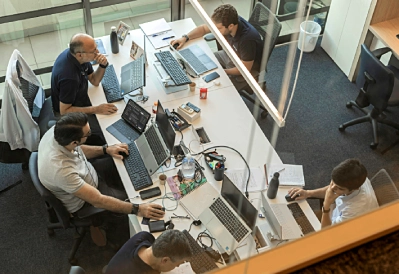
I’ve worked adjacent to tech teams for a while now. Not as a developer, but close enough to see how things actually run.
And there’s this weird gap between what people think tech work is like and what it’s actually like day to day. The coding part? That’s maybe 30% of it. The rest is meetings, process, communication breakdowns, and figuring out why something that should take an hour takes a week.
Here’s some stuff I wish someone had told me earlier.
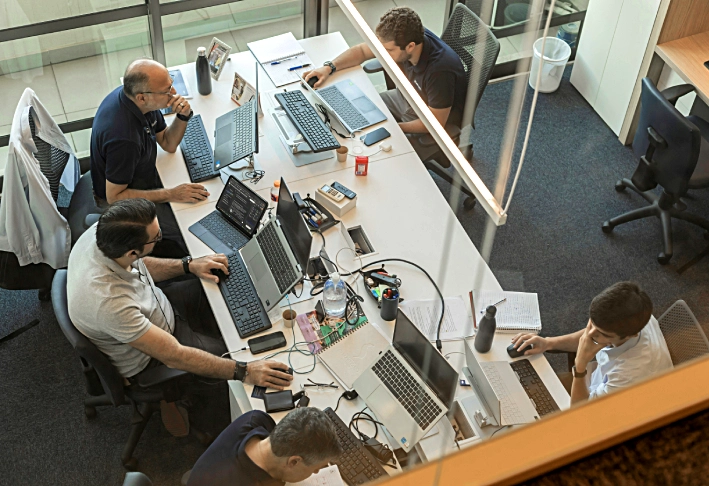
The Tools Matter More Than You’d Think
This sounds obvious but I don’t think people really get it until they’ve lived it.
A team using outdated or mismatched tools will move slower than a team with half the talent but better systems. I’ve seen it happen. Brilliant people grinding through manual processes that should have been automated years ago, losing hours every week to stuff that adds zero value.
The shift toward understanding what is devops has changed this for a lot of companies. The whole idea is connecting development and operations so things flow instead of getting stuck at handoff points. Sounds dry when you describe it. In practice it’s the difference between deploying something in minutes versus waiting three days for approvals that could have been automated.
Not everyone works in a place that’s figured this out yet though. Plenty of teams still running on duct tape and good intentions.
Nobody Agrees on What “Done” Means
This one still gets me.
You’d think a project being finished would be straightforward. It’s not. Developer thinks done means the code works. QA thinks done means it’s been tested. Product thinks done means users can actually access it. Operations thinks done means it won’t break anything else. Management thinks done means the client’s been invoiced.
So something can be “done” five different times before it’s actually done. And every handoff point is a place where things stall, get miscommunicated, or fall through cracks entirely.
The companies that work well have figured out how to define done once, clearly, and make sure everyone’s looking at the same definition. The ones that haven’t are in permanent chaos wondering why projects take twice as long as estimated.
Remote Work Changed Everything (But Not How You’d Expect)
There’s research from the Bureau of Labor Statistics showing remote work correlates with productivity gains in a lot of industries. Tech especially. Which makes sense. Fewer interruptions, no commute, more control over your environment.
But here’s what the productivity stats don’t capture: remote work also makes communication harder in ways that compound over time. The quick question you’d ask someone across the desk becomes a Slack message they see two hours later. The context you’d pick up from overhearing a conversation just doesn’t exist anymore.
I know people who swear by fully remote. I know others who say they get nothing done at home. Hybrid working models seem to work for most, but even that depends heavily on how the company structures it. Two days in the office means something very different if everyone’s in on the same days versus scattered randomly.
There’s no universal answer here. Which is frustrating but probably true.
Meetings Multiply When Nobody’s Watching
Left unchecked, meetings breed. I’m convinced of this.
Someone schedules a sync. The sync reveals a problem. Problem needs its own meeting. That meeting surfaces a decision that requires stakeholders. Stakeholders need a separate meeting to align. Now you’ve got four meetings where you had one, and somehow the original problem still isn’t solved.
Tech work especially suffers from this because the actual work requires focus time. Deep, uninterrupted hours. Every meeting is a context switch, and context switching is expensive. There’s a study published in the National Library of Medicine that found fragmented attention contributes to exhaustion even when the total workload isn’t that high. It’s the switching that kills you.
Best teams I’ve seen are ruthless about protecting focus time. Designated no-meeting days. Async updates instead of syncs. Default to documentation over discussion when possible. It requires discipline though. Most places don’t have it.
The Burnout Comes From Friction, Not Volume
This one took me years to understand.
People assume burnout is about working too much. Sometimes it is. But often it’s about working in ways that feel pointless. Redundant steps. Waiting on approvals. Redoing things because requirements changed. Fighting with systems that don’t talk to each other.
Volume you can handle if the work feels meaningful and moves forward. Friction wears you down even when the hours are reasonable. You finish a day having done a lot of stuff but feeling like nothing actually progressed.
The fix is systematic, not individual. Better processes, better tooling, clearer ownership. But those changes are hard to make and easy to deprioritize, so most places just tell people to practice self-care instead. Which, fine. But it’s treating symptoms.
I don’t have a tidy conclusion here. Mostly just think the non-technical parts of tech work are underrated in how much they affect everything else. The code is the easy part, weirdly. It’s the human and process stuff that gets complicated.
words Al Woods