Maintaining a sturdy roof protects every corner of a home from severe weather elements. Knowing when to climb a ladder yourself versus calling an expert saves time and money.
Simple maintenance tasks belong in a homeowner’s weekend schedule, but major structural issues demand skilled hands. Making the right choice early keeps your home safe and avoids costly structural mistakes down the road.
Minor Roof Fixes You Can Handle Yourself
Replacing a few loose shingles or clearing out clogged gutters remains within reach for handy homeowners. Simple tasks require basic equipment like an extension ladder, sturdy work gloves, and standard hand tools. Cleaning debris off the roof surface prevents water from backing up under the shingles during heavy rainstorms.
Working on flat sections or low slopes reduces danger significantly. Minor tasks include simple projects:
- Sealing small gaps around plastic vent boots
- Replacing individual damaged asphalt shingles
- Clearing leaves and twigs from drainage valleys
Taking on these basic projects keeps small problems from expanding into major repair projects. Checking your roof 2 times a year allows you to catch minor wear early and extend product lifespans.
Finding a Local Roofer
Homeowners often wonder where to start when minor fixes turn into larger tasks. Taking time when finding a Roofer in Battle Ground, or wherever you need one, helps homeowners pick a team with proper licensing and local experience. A thorough review of credentials guarantees your investment remains secure for years to come.
Local weather conditions can create unique wear patterns on shingles and metal flashing. Qualified contractors bring regional expertise to address moss growth and heavy winter rain runoff. Partnering with experienced professionals gives you peace of mind through every season of the year.
Safety Hazards Around Heights And Ladders
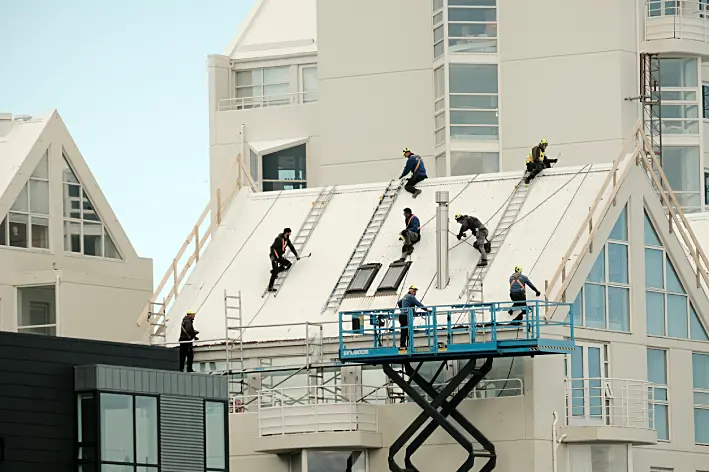
Climbing onto a steep roof carries severe physical hazards for untrained individuals. Falling from high structures causes serious injuries every single year across the construction industry. Standard residential ladders lack the stability required for long hours of heavy construction labor.
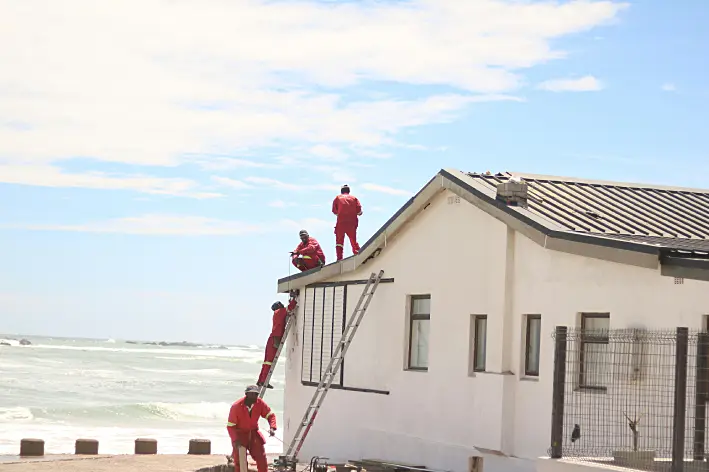
Working on steep pitches requires specialized safety gear and professional training. Official standards require fall protection systems whenever crews operate 6 feet or higher above lower ground levels. Professional contractors invest in certified harnesses and tie-off anchors to eliminate high-altitude risks.
Complex Roof Structures And Inspections
Complex roof shapes feature multiple hips, valleys, and chimneys that trap moisture quickly. Locating a leak on an intricate structure often puzzles inexperienced homeowners. Water frequently travels several feet along interior rafters before dripping through the drywall ceiling below.
Accurate diagnosis calls for specialized equipment and years of field experience. Expert guidance suggests wearing personal protective gear and identifying when intricate layouts require certified specialists for proper documentation. Professional inspectors spot hidden wood rot beneath intact outer layers that untrained eyes miss completely.
Protecting Your Household During Repairs
Roof repair projects transform a peaceful home into an active construction zone overnight. Falling shingles, rusty nails, and heavy equipment pose safety risks around the perimeter of the house. Clean job sites require constant monitoring to prevent accidents near family walkways and driveways.
Noise levels from heavy equipment also impact daily routines inside the living space. Safety guidance highlights that loud hammering and falling materials create stressful environments for children and family pets. Professional crews establish clear safety zones around the property to keep everyone protected.
Warranties And Insurance Protections
Roofing manufacturers require precise installation methods to keep warranty coverage valid. Attempting self-repairs on newer roofs can accidentally void the manufacturer’s warranty on materials. Working with certified experts keeps your product protection intact if factory defects occur later on.
Licensed contractors maintain active liability insurance and workers’ compensation policies. Property owners remain protected against accidental property damage or jobsite injuries during the project. Uninsured self-repairs leave full financial liability on the homeowner’s shoulders if accidents occur.
Evaluating Repair Costs
Handling repairs without assistance looks like a quick way to save cash upfront. Purchasing specialized tools, safety gear, and materials quickly eats away at potential savings. Small errors made during self-installation can lead to interior water damage that costs $1,000s to repair.
Professional contractors carry wholesale accounts on quality materials and offer labor guarantees. Work completed by licensed technicians preserves long-term property value and curb appeal. Hiring professionals proves cost-effective when considering total protection and long-term peace of mind.
Deciding between personal effort and hiring experts comes down to personal safety and job complexity. Clear away simple debris and fix single shingles on low slopes yourself. Leave extensive damage, steep angles, and structural repairs to licensed professionals. Making smart choices today keeps your roof strong and your family safe.
written by Al Woods