
Food trends come and go, but the newest one that nutritionists and health fans are getting into isn’t about complicated meal plans or exotic superfoods. Instead, it’s about something that seems very simple: eating by color.
Colorful eating may seem like just another Instagram-worthy food trend, but the science behind it goes much deeper than how it looks.
The trend toward red fruits and vegetables shows that people are learning more about how plant pigments are linked to health benefits. This isn’t just a marketing trick; it’s real biochemistry. The chemicals that make red foods look bright are also the ones that are good for your health, which makes color a surprisingly good way to tell how healthy a food is.
The Science Behind Color
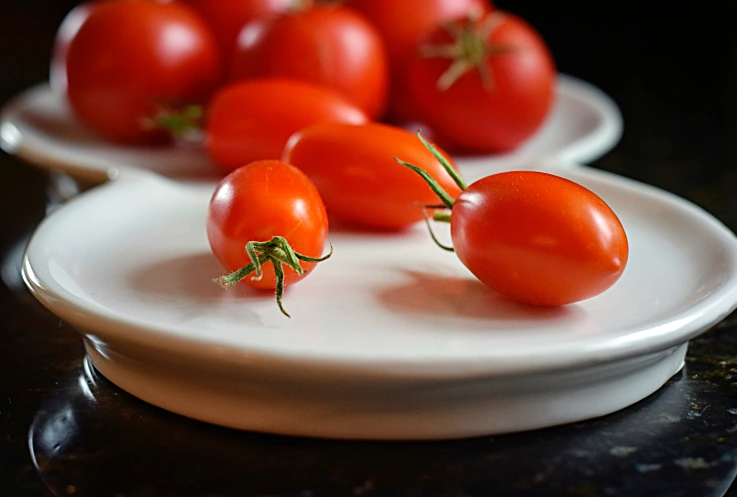
Lycopene, a carotenoid that acts as both a pigment and a powerful antioxidant, is what gives red foods their unique color. Researchers are very interested in lycopene because it has strong protective properties. It is found in large amounts in tomatoes, watermelon, red peppers, and pink grapefruit.
Lycopene is different from many nutrients that lose their strength when cooked. In fact, it becomes more bioavailable when foods are heated because heat breaks down cell walls, releasing bound compounds. This is why tomato sauce has more of this compound than fresh tomatoes.
Harvard Medical School research shows that lycopene may support protection against free radicals that damage genes and is associated with potential benefits for prostate cancer, heart disease, and lung disease risk. Lycopene’s molecular structure makes it particularly effective at addressing harmful oxidative stress, though the evidence is largely observational, and more research is needed to establish definitive protective effects.
More Than Just Single Nutrients
The color-based approach is especially appealing because it deals with the complexity of nutrition without needing a lot of scientific knowledge. Instead of trying to remember the exact amounts of vitamins or supplements they need, people can just try to get a range of colors in their diet.
This intuitive approach fits with the growing body of evidence that whole foods provide benefits that single nutrients cannot.
The Harvard T.H. Chan School of Public Health says that phytonutrients work together, which means that the effects of whole foods are greater than those of any one compound.
This may explain why lycopene supplements have not shown the same protective effects as lycopene-rich foods in human studies. Foods that are high in lycopene also have hundreds of other compounds that may enhance absorption and effectiveness.
The Modern Nutrition Gap
Current eating habits show a big gap between the recommended and actual amounts of colorful fruits and vegetables eaten.
According to the Nutrilite Report, an industry analysis of National Institutes of Health dietary data, eight out of ten Americans do not get enough phytonutrients of any color, with purple and blue foods showing the largest consumption gaps. This widespread deficiency indicates that the color-focused approach meets a genuine nutritional requirement rather than generating a contrived trend.
When looked at across different groups of people, the data is even more worrying. Young adults, men, and people who are poor eat a lot less of a variety of fruits and vegetables. This shows that easy-to-use nutrition programs are needed to improve public health.
Redefining Ease
The move toward recognizing red foods is part of a bigger trend in how busy families think about nutrition.
Some modern meal services are addressing this need by offering options that are both easy to prepare and nutrient-rich, using a variety of natural colors and making them appealing to kids without sacrificing health for convenience.
This change is a big step away from how processed foods used to be, when color often meant artificial additives instead of natural nutrition. Today’s focus on colorful, naturally colored foods is a sign that people are going back to more natural eating habits while using modern food science to get the most nutrition from their meals.
Effects on Culture and Society
The trend of eating based on color also shows how people’s views on food and health are changing.
People are more aware of how food looks because of social media, but the focus on natural colors instead of just how good it looks encourages people to make healthy choices. This shows that food culture has grown up to the point where looks and real health benefits go hand in hand.
Families who want to improve their kids’ nutrition without having to fight over vegetables all the time really like this method. Kids are more likely to try new foods when they know that different colors have different benefits. This changes the way they act at the table.
Final Thoughts
As nutrition science keeps showing how different plant compounds may affect human health, the color-based approach is a useful way to connect research with everyday eating.
This method does not require advanced degrees in biochemistry. Anyone can make informed food choices just by looking at their plate and making sure it shows the full range of nature.