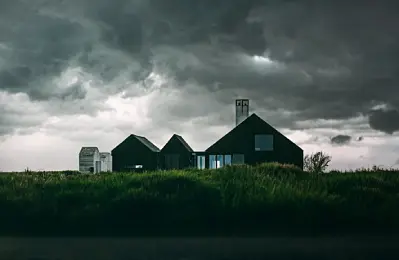
Unpredictable weather shifts and severe storm events are creating greater awareness among homeowners regarding structural durability and exterior home protection.
You might notice that severe storms seem to hit harder and more frequently than they used to, leaving visible strain on houses across your neighborhood.
Taking a closer look at your exterior home defense gives you the chance to safeguard your property before the next major storm rolls through. Upgrading your roof transforms a basic home maintenance chore into a powerful strategy for protecting your family and long-term financial investment.
How Are Extreme Weather Events Impacting Residential Structures
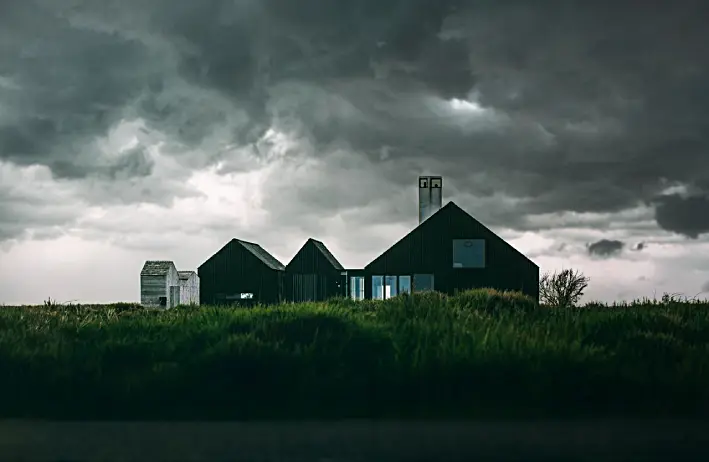
Severe weather events test the physical limits of traditional building materials every single year. Strong wind gusts easily lift aging shingles, while heavy downpours force moisture deep into vulnerable roof decks. Over time, these repeated atmospheric shocks degrade hidden support beams, creating silent damage that slowly undermines your property.
Winter ice dams and sudden spring hail storms accelerate this natural wear and tear dramatically. Hailstones puncture outer protective coatings, exposing the underlying fiberglass matting to harsh elements. Data from the Insurance Institute for Business and Home Safety shows that FORTIFIED roof standards reduce severe storm damage by up to 70% compared to standard construction practices.
Ignoring these early warning signs often leads to interior water leaks, ruined insulation, and hazardous mold growth. Watching for compromised materials early allows you to address structural weaknesses before seasonal storms cause total structural failure.
How Do You Select Long-Term Restorative Solutions for Your Home
Choosing long-term restorative solutions requires looking past quick surface fixes and focusing on complete structural health. Patching damaged areas might offer short-term comfort, but replacing old materials with unified weatherproofing systems delivers true peace of mind. Investing in a full residential roof replacement gives you access to modern structural upgrades that shield your entire home from severe storm damage recovery scenarios.
Upgrading your entire system lowers long-term maintenance costs while improving total household energy efficiency. Comprehensive protection ensures your home stands strong against whatever weather patterns next season brings.
What Materials Offer the Best Protection Against Modern Storms
Modern roofing technology has advanced significantly beyond simple asphalt shingles to meet growing environmental challenges. Adopting modern building practices helps secure your home against unpredictable climate shifts for decades. Research from FEMA shows that adopting modern hazard-resistant building codes saves communities $11 for every $1 invested in mitigation. Building product manufacturers now engineer heavy-duty materials designed to withstand impact, severe hail, and high-velocity wind loads.
Selecting the right materials means matching specific storm resistance features to the natural weather patterns of your local geography:
- Class 4 Impact Shingles: Heavy rubberized asphalt layers absorb energy from flying debris, drastically reducing localized cracking and material loss during sudden summer hail storms.
- Standing Seam Metal Panels: Interlocking mechanical fasteners hold tight against severe wind uplift while shedding heavy snow loads effortlessly throughout harsh winter months.
- Synthetic Composite Slates: Engineered polymers resist moisture absorption completely, giving you the natural beauty of real stone alongside exceptional resistance to thermal shock.
- Synthetic Underlayment Barriers: Woven polypropylene sheets provide an impenetrable secondary shield, stopping wind-driven rain even if outer shingles blow away.
Pairing these impact-resistant surfaces with advanced sealing underlayments ensures your attic stays dry during torrential rains. Investing in high-grade materials pays off by minimizing emergency repair calls after severe weather passes through.
Why Is Proactive Ventilation Critical During Extreme Weather
Roofing integrity depends heavily on airflow balance beneath your shingles. Uncontrolled temperature swings trap hot, humid air inside attic spaces during summer heatwaves, baking asphalt shingles from underneath. During cold spells, trapped heat melts snow prematurely, creating destructive ice dams along eaves.
Installing continuous ridge vents paired with balanced soffit intake creates constant air movement throughout the space. Moisture escapes naturally before condensation forms on support rafters, keeping internal wood structures dry and rigid year-round.
Protecting internal framing through balanced ventilation extends the service life of outer roofing layers. Proper airflow keeps materials stable through heatwaves, cold snaps, and sudden atmospheric pressure shifts.
What Steps Help You Prepare for the Next Storm Season
Preparing your roof for severe weather demands a clear plan before dark clouds appear on the horizon. Starting with an exterior assessment lets you identify loose flashings, sagging gutters, and cracked seals before heavy rain arrives.
Partnering with certified local contractors gives you expert guidance tailored to regional weather risks. Professional installers identify hidden deck rot, evaluate attic ventilation ratios, and recommend materials rated for your exact wind zone.
Documenting current roof conditions with photos creates clear evidence for future insurance needs. Taking defensive action today positions your home to weather unpredictable storms safely and reliably.
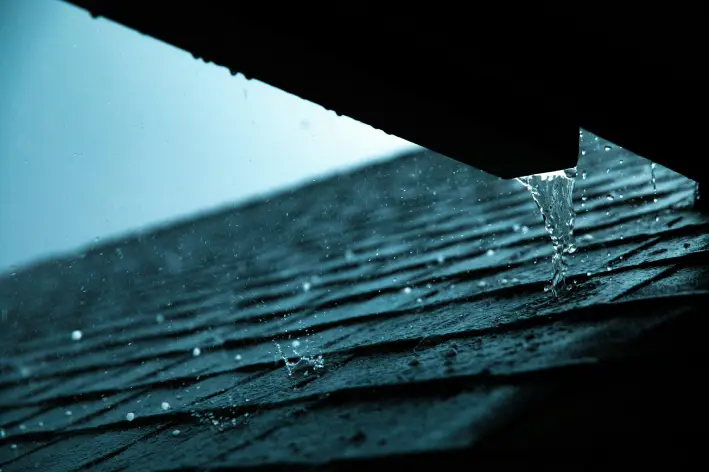
Taking early steps to upgrade your exterior structure keeps your family safe while protecting your property value. Modern materials, proactive ventilation, and complete structural upgrades give your home the durability required to withstand evolving weather patterns. Evaluating your structural needs today ensures you stay dry, secure, and confident through every season.
written by Al Woods