Blepharoplasty — surgical correction of the upper eyelids, lower eyelids, or both — is among the most commonly performed facial procedures worldwide. Outcomes are generally predictable, patient satisfaction rates are high, and recovery is considered relatively straightforward compared to more invasive facial surgeries. Yet one aspect of recovery consistently catches patients off guard: sleep.
Specifically, how difficult it is to do it correctly, and what happens when positioning goes wrong during the healing window.
The Physiological Case for Elevated Back Sleeping
Post-operative swelling is the primary recovery challenge following blepharoplasty. The periorbital area is highly vascularized and responds to surgical trauma with significant fluid accumulation. Edema management in the days and weeks following surgery directly affects both patient comfort and aesthetic outcomes — prolonged or excessive swelling can obscure results and, in some cases, place unnecessary mechanical stress on healing tissue.
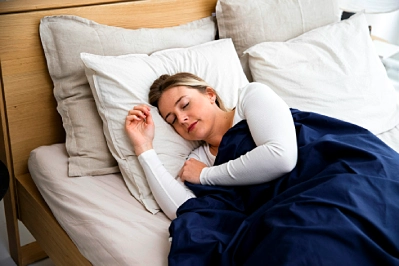
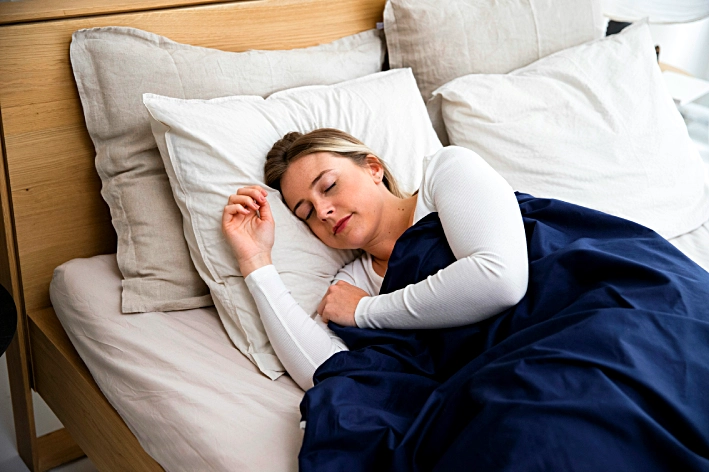
Elevated back sleeping addresses this through straightforward gravitational mechanics. Keeping the head above the level of the heart reduces hydrostatic pressure in the periorbital vessels, limiting fluid accumulation at the surgical site overnight. Most surgeons recommend maintaining a 30 to 45 degree elevation for a minimum of two weeks post-operatively, with many extending that guidance through the full initial healing phase.
The instructions are clinically sound. The execution is where most patients struggle.
Why Patients Fail to Maintain Position
The majority of adults are habitual side or stomach sleepers. Asking a post-operative patient to maintain an elevated back sleeping position — while managing periorbital discomfort, light sensitivity, and disrupted sleep architecture from anesthesia and pain medication — is a meaningful compliance challenge that tends to be underestimated in pre-operative counseling.
Standard solutions fall short in predictable ways. Stacked pillows compress under sustained body weight, losing meaningful elevation over the course of a night without any obvious indication to the sleeping patient. A setup that begins at 40 degrees of incline may have dropped well below the therapeutic threshold by the early morning hours. Without lateral support, patients naturally migrate toward habitual positions during deep sleep — a reflex that willpower cannot reliably override.
The clinical consequence is that even patients who intend to comply with positioning instructions may spend a significant portion of each night in positions that counteract the elevation protocol. This contributes to prolonged swelling, increased bruising duration, and — in some cases — patient-reported dissatisfaction with recovery timelines that have less to do with the procedure itself than with inconsistent post-operative positioning.
A Gap in Recovery Support Infrastructure
For a long time, purpose-built solutions for this specific recovery challenge were essentially unavailable. Patients were given positioning instructions and left to improvise with general-use products not designed to maintain therapeutic elevation through a full night of sleep.
The emerging category of full-body surgical recovery positioning systems addresses this gap directly. These systems are designed to maintain consistent elevation, prevent lateral rolling, and support the full body in a coordinated position — not just prop the torso temporarily. For blepharoplasty patients specifically, the head and neck positioning component is particularly relevant, as maintaining proper cervical alignment alongside upper body elevation affects both comfort and the consistency of periorbital fluid drainage overnight.
For patients and clinicians researching what effective post-operative sleep support looks like in practice, this detailed guide on sleeping after blepharoplasty covers the week-by-week positioning protocol, including elevation requirements, activity restrictions, and the gradual return to normal sleep positions as healing progresses.
A Variable Worth Addressing in Pre-Operative Counseling
Sleep positioning compliance is rarely given the same weight in pre-operative discussions as other recovery factors — wound care, activity restrictions, sun exposure, and follow-up scheduling tend to dominate the conversation. Yet the hours spent sleeping represent a significant portion of the recovery window, and what happens during those hours has a measurable impact on outcomes.
Incorporating sleep setup preparation into pre-operative guidance — including specific recommendations for maintaining therapeutic elevation reliably through the night — gives patients a more complete picture of what compliant recovery actually requires. It also sets more accurate expectations around recovery timelines, since inadequate nighttime positioning is a common and largely preventable contributor to prolonged swelling and extended healing.
For a procedure with outcomes as visible and closely scrutinized as blepharoplasty, the quality of post-operative sleep deserves more clinical attention than it typically receives.