
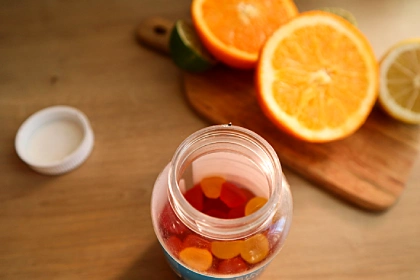
Tour merch used to mean a black T-shirt and a poster. Then came hot sauce, candles, coffee and perfume.
Now a growing number of musicians, streetwear labels and online creators sell gummies, greens powders and vitamin packs with their name on the tub.
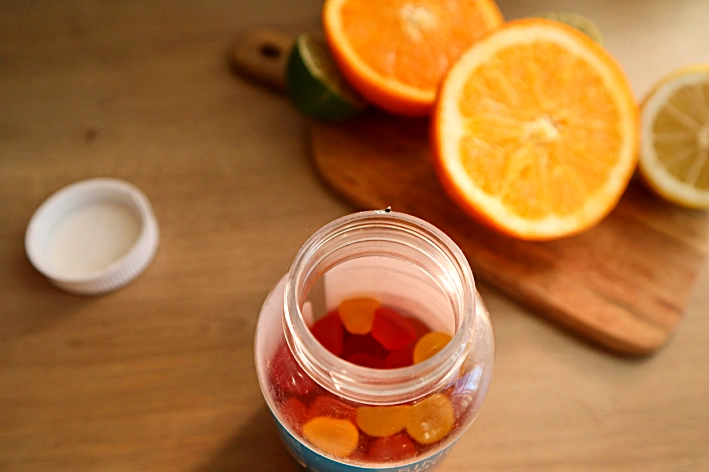
Photo by Maria Kozyr on Unsplash
Alt text: a jar filled with gummy bears next to sliced oranges
The artist almost never makes the product. A vitamin and supplement manufacturer produces it to order, while the artist brings the name, the artwork and the audience. Superior Supplement Manufacturing in Fountain Valley, California is one such firm, offering formulation, production in formats from capsules to gummies, and label design. That split shapes everything a fan ends up holding.
Why Is a Capsule a Different Kind of Merch?
A T-shirt answers to taste. A capsule answers to a regulator. Once fans swallow the product, the rules move from fashion to food law.
In the United States, supplements have sat under food law since a 1994 act of Congress. Nobody approves them before they go on sale. The company named on the label carries the duty to keep them safe and labeled correctly. If the artist’s own company is on that label, the artist is the one answering for it.
That is a big shift for an act used to licensing a logo onto cotton. The merch partner who prints shirts is not the right partner here. A specialist plant has to run the production under federal manufacturing rules.
Who Owns the Name On the Tub?
Brand ownership is where many drops quietly fall apart. An artist may own a trademark for music and clothing, yet nothing for supplements. Trademarks are filed by class, and dietary supplements fall in Class 5 of the international Nice system, which has 45 classes in all.
Before any artwork exists, a sensible team checks four things:
- Whether the stage name is already registered by someone else in Class 5.
- Whether the formula belongs to the artist or stays with the manufacturer.
- Who holds the label artwork, the photography and the product name.
- What happens to stock and the brand if the deal or the band splits.
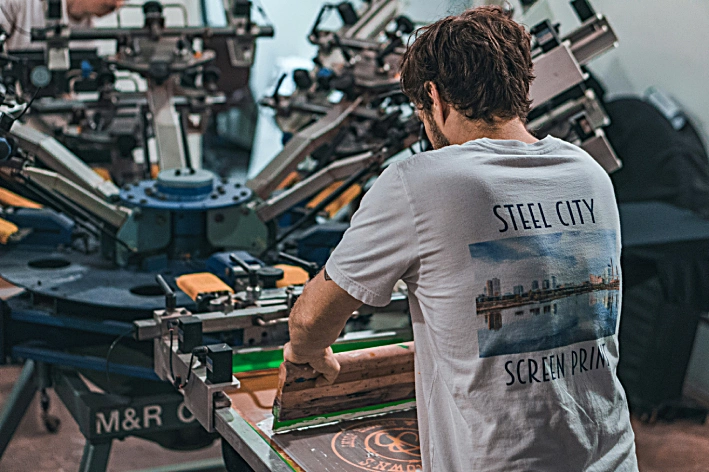
Photo by Anthony Roberts on Unsplash
Alt text: a man working in a factory
The formula question matters most. On a stock formula, the recipe usually stays with the plant. On a custom formula, ownership depends on the contract, so it needs to be written down.
What Can an Artist Say About It?
Much less than a fan might expect. Stage banter and captions count as advertising when the speaker sells the product. That limits the language a lot.
In the US, a label may describe how a nutrient supports normal body structure or function. Any line hinting it can fix an illness is off limits. Such statements also need a printed note saying FDA has not evaluated them, and the seller must notify FDA within 30 days of first marketing the product. In the UK and the EU, the line is tighter still. Under Regulation 1924/2006, only health claims on an approved list may be used, word for word or close to it.
Payment and ownership must also be clear. A post about your own brand is still marketing. UK advertising rules and US consumer protection rules both expect that link to be visible to fans.
Can One Product Sell In London and Los Angeles?
Not always, and touring acts learn this fast. A US formula may use a vitamin form or dose that European rules do not allow. Directive 2002/46 sets out which vitamin and mineral forms EU products may use. Britain kept a closely related system when the Brexit transition ended in 2020. The UK rules on food supplements still treat them as food, not medicine.
So an act with fans on both sides of the Atlantic often needs two labels, and sometimes two formulas. The label in London must use metric units and approved wording. The tub in Los Angeles needs a Supplement Facts panel in the US format. A good manufacturer flags this before the first run, not after a border delay.
Where Do Celebrity Wellness Drops Go Wrong?
The failures repeat often enough to form a pattern. Most of them trace back to treating a supplement like a hoodie:
- Overclaiming in a launch video, then deleting it after complaints.
- Ordering too little stock, as most plants set a minimum run per flavor or format.
- Ignoring shelf life, so leftover tour stock expires in a van.
- Skipping age and audience checks when much of the fanbase is young.
- Treating a returned tub like a returned shirt, which it is not.
None of these are design problems. They are planning problems, and they come from rushing a drop to match a release date.
How Should a Fan Read an Artist’s Supplement?
Read it the way you might read food labels at a supermarket, with a little suspicion and a lot of attention. The British Nutrition Foundation’s guide to reading a label is a useful primer.
The front is the artist. The back is the product. Look for the name and address of the responsible company. Look for a lot number, a best-by date and a plain ingredient list.
Next, check the tone of the copy. Calm, specific wording is a good sign. Big promises about energy, focus or immunity from a musician are a warning sign, however good the album is.
What Does This Say About Merch Culture?
It says merch has become a brand extension rather than a souvenir. A shirt says you were at the gig. A tub on a kitchen shelf says you trust the person on the label with something more personal.
That trust is the real product. Artists who treat it with care, picking a serious plant, keeping claims modest and planning for borders, tend to keep it. For anyone becoming a working musician today, that is worth more than any single drop.
Frequently Asked Questions
Do Artists Make Their Own Supplements?
Very rarely. Almost all artist-branded supplements are made by contract manufacturers. The artist supplies the brand, the artwork and the marketing.
Is an Artist Supplement Approved by a Regulator?
No. In the US and the UK, supplements reach the shelf without approval in advance. Whoever’s company appears on the tub carries the legal duty for it.
Can a Musician Say a Supplement Boosts Energy?
Only within strict limits. UK and EU sellers must use approved claim wording. US sellers need a disclaimer and must avoid any claim to treat a disease.
Why Do Some Artist Supplements Sell Out and Never Return?
Most plants set a minimum production run. A small drop may not justify a second run, so the product quietly disappears.
written by Alexa Wang