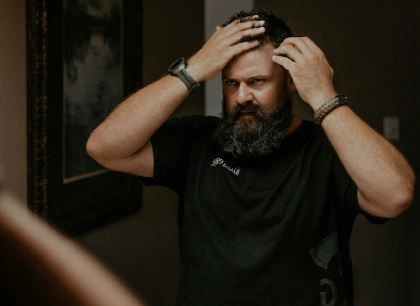
You notice it first in a photograph taken from behind. The crown looks thinner than you expected, and there’s a patch of scalp showing through where your hair used to look full.
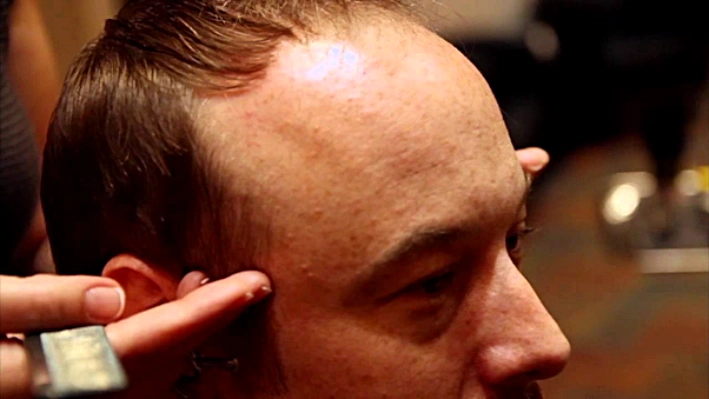
From the front, everything seems normal. Your hairline is still there, your sides are thick, and you like your current haircut.
So why does everyone keep suggesting you shave your head?
Going bald can be a great look, but it isn’t the only option. If you’re dealing with thinning hair on top, there are several ways to improve its appearance without committing to a buzz cut or a completely new hairstyle.
The right approach depends on how much hair you’ve lost, where the thinning is concentrated, and how much daily maintenance you’re willing to manage.
Why Hair Thinning on Top Is Different
Male hair loss often follows recognisable patterns, but it doesn’t progress the same way for everyone.
Some men notice recession around the temples first. Others develop thinning around the crown while maintaining a relatively full front hairline.
In some cases, the hair across the entire top gradually becomes finer and less dense.
Crown thinning can be particularly frustrating because it’s difficult to see without a mirror or photograph.
You may think your hairstyle looks fine from the front, only to discover that overhead lighting reveals a noticeable patch at the back.
The surrounding hair also influences how obvious the thinning appears.
Thick sides and a sparse crown can create a strong contrast, drawing attention to the area you’re trying to conceal.
Before choosing a cosmetic solution, consider whether the thinning is stable or progressing. A dermatologist can help assess the cause, particularly if the hair loss is sudden, patchy, or accompanied by scalp symptoms.
1. Change How You Style Your Existing Hair
If your thinning is mild, you may not need a hairpiece.
Sometimes a different cut or styling technique can make the crown appear fuller.
Keep the Sides Balanced
Very thick sides can exaggerate thinning on top.
A shorter, well-blended taper may reduce that contrast and create a more balanced overall shape.
You don’t necessarily need a skin fade.
The goal is to make the hairstyle look intentional rather than drawing attention to the difference in density.
Add Texture Instead of Slicking Hair Flat
Slicked-back hairstyles and wet-look products can separate fine strands, exposing more scalp.
A textured crop or softly styled short haircut may help create the appearance of greater fullness.
Lightweight matte styling products can be useful because they add definition without making the hair look excessively shiny or weighed down.
Avoid the Long Comb-Over
Growing one section of hair unusually long to cover a thinning area often creates more problems than it solves.
Wind, movement, and changing light can reveal the underlying scalp.
A shorter, more balanced cut usually looks more natural.
Best for: Mild thinning with enough existing hair to create volume.
Main limitation: Styling can change the appearance of your hair, but it cannot replace missing coverage.
2. Use Hair Fibers for Temporary Crown Coverage
Hair fibers are one of the simplest ways to disguise a thinning crown without changing your haircut.
These products contain small fibers that attach to existing hair, making the area appear denser.
They’re particularly useful when you still have plenty of hair strands but can see the scalp between them.
How to Get a Natural Result
Start with dry, styled hair.
Apply a small amount of fibers to the thinning area and build coverage gradually.
Choose a shade that matches your roots rather than the lighter ends of your hair.
Avoid applying too much at once, which can create an unnatural-looking patch.
Depending on the product, a suitable holding spray may help improve wear.
Hair fibers can be convenient for work, social events, and photographs.
However, they’re a temporary cosmetic solution.
They don’t create new hair, and their performance can vary with sweat, rain, rubbing, and washing.
Best for: Mild to moderate thinning where sufficient natural hair remains.
Main limitation: Limited effectiveness on areas with very little or no hair.
3. Consider a Partial Hairpiece for Localised Hair Loss
If the crown has become too sparse for styling products or hair fibers, a partial hairpiece may offer a more effective solution.
A partial hairpiece covers a specific area rather than the entire top of the head.
For example, a crown hairpiece can be designed to blend with the existing hair around the thinning spot.
This can be appealing if your front hairline is still intact and you don’t want to change the rest of your hairstyle.
How Partial Hairpieces Work
A partial hairpiece typically consists of a base with hair attached.
The base is positioned over the thinning area and secured using a method appropriate for the product and the wearer’s hair and scalp.
Some designs use clips, while others rely on adhesive or professional attachment techniques.
The hair is then cut and blended with the surrounding natural hair.
For men exploring hairpieces for men, the most important starting point is the size and location of the area that needs coverage.
A hairpiece that’s too small may leave visible gaps. One that’s unnecessarily large may cover healthy hair and make blending more complicated.
The best result usually comes from choosing a base that fits the actual thinning pattern.
Best for: Concentrated crown thinning or smaller areas of localised hair loss.
Main limitation: Requires accurate sizing, secure attachment, and careful blending.
4. Choose a Full Hair System for More Extensive Thinning
When hair loss spreads across a larger portion of the top of the head, a full hair system may become more practical than a small patch.
A men’s hair system is a non-surgical hair replacement designed to cover a defined area, often extending across much of the top of the scalp.
Unlike a conventional full-head wig, many men’s systems are designed to blend with the wearer’s existing hair at the sides and back.
This allows someone to maintain a familiar haircut while restoring coverage on top.
What Makes a Hair System Look Natural?
Several factors influence realism.
Hair density: A system that’s significantly denser than your surrounding hair may look artificial.
Hairline design: If the front hairline is exposed, its shape and density need to look believable.
Base material: Lace, thin skin, and hybrid constructions offer different trade-offs involving appearance, breathability, durability, and maintenance.
Hair direction: The way the hair is ventilated or styled should complement the intended haircut.
Professional blending: A good cut-in helps the system transition naturally into the existing hair.
A full system offers more coverage, but it also involves a greater commitment to fitting, cleaning, attachment, and maintenance.
Best for: Moderate to extensive thinning across the top, particularly when the sides and back retain usable hair.
Main limitation: Higher ongoing maintenance than styling products or temporary fibers.
Which Hair Coverage Method Is Right for You?
The best solution depends on the extent of thinning, not simply how much coverage you would like.
| Hair loss pattern | Option to consider | Why it may work |
| Slightly visible scalp at the crown | Textured haircut or root styling | Makes better use of existing hair |
| Mild crown thinning with plenty of remaining strands | Hair fibers | Reduces visible scalp contrast |
| Small, clearly defined crown bald spot | Partial crown hairpiece | Adds targeted hair coverage |
| Moderate crown thinning with healthy front hairline | Partial hairpiece or larger crown system | Preserves more of the existing hairstyle |
| Thinning across the crown and mid-scalp | Larger hair system | Provides more continuous coverage |
| Extensive thinning across the entire top | Full top hair system | Creates a consistent hairstyle across the affected area |
| Widespread thinning including the sides and back | Full wig or specialist consultation | A standard top system may not blend adequately |
These are general cosmetic recommendations rather than medical classifications. The best option may change depending on scalp condition, hair fragility, and preferred attachment method.
A Visual Guide to Hair Coverage by Thinning Area
For a grooming article, it’s useful to think of coverage in four stages.
Stage 1: Early Crown Thinning
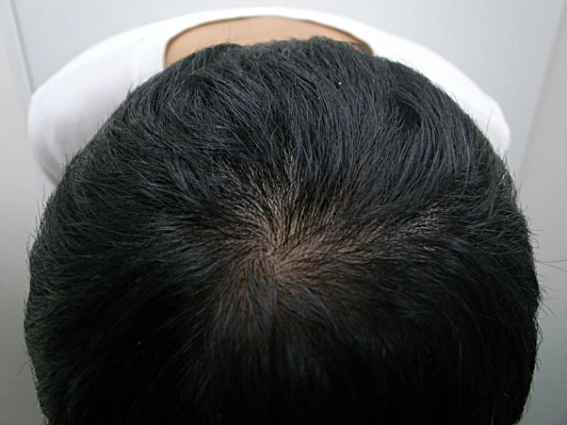
The hair is still present, but the scalp becomes more visible under strong lighting.
A textured haircut or hair fibers may provide sufficient cosmetic improvement.
Stage 2: Noticeable Crown Spot
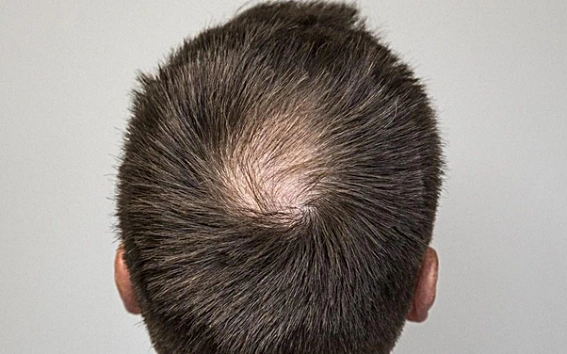
A defined area of thinning or baldness develops around the crown.
A small partial hairpiece may provide targeted coverage while preserving the natural front hairline.
Stage 3: Crown and Mid-Scalp Thinning
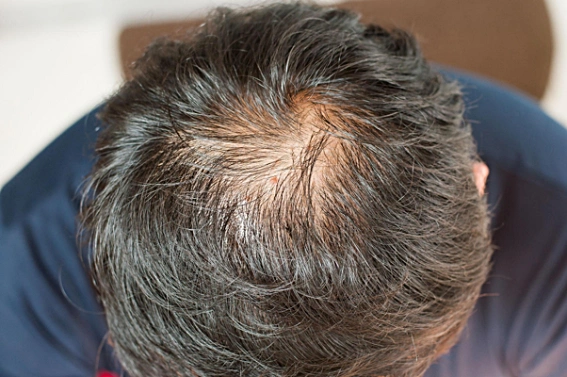
The thinning area expands forward, leaving less hair available for blending.
A larger hair system may provide a more consistent appearance.
Stage 4: Extensive Top Hair Loss
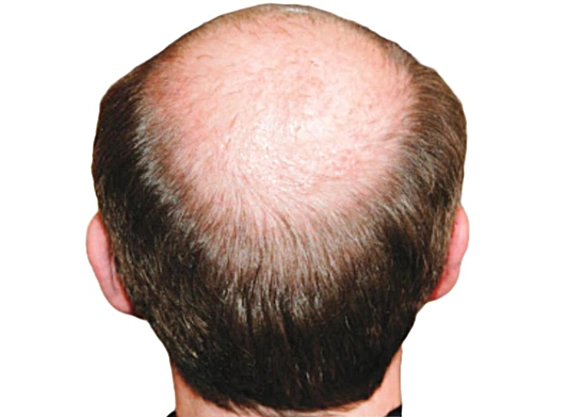
Most of the hair across the top is sparse or absent.
A full top hair system may be more practical than attempting to conceal several separate areas.
These stages describe coverage needs, not a formal medical hair-loss scale.
How to Make a Hairpiece Blend With Your Natural Hair
Even a well-made hairpiece can look unnatural if the details don’t match.
Start with colour.
Hair colour varies under different lighting, and even a small difference between a hairpiece and natural hair may become noticeable in sunlight.
Texture matters just as much.
A perfectly straight hairpiece may not blend convincingly with naturally wavy or curly hair.
Density is another important consideration.
Men with fine hair at the sides generally benefit from a system that doesn’t create an abrupt contrast in fullness.
When reviewing options at TopUnique Hair, compare base dimensions and hair density before focusing on hairstyle photographs. A crown-only piece and a larger top system solve different coverage problems, even if both appear equally full in a product image.
Finally, don’t underestimate the importance of the cut-in.
A stylist familiar with hair systems can help shape the added hair to match the surrounding haircut.
What About Comfort and Daily Maintenance?
Different coverage methods involve different levels of commitment.
A haircut requires ordinary grooming.
Hair fibers need regular reapplication.
A partial hairpiece introduces attachment and cleaning considerations.
A full hair system generally requires a more structured maintenance routine.
Some systems are removed frequently, while others are worn for longer periods between maintenance appointments, depending on their construction and attachment method.
Lace bases may offer greater airflow, while certain thin-skin constructions can provide a smooth-looking finish and easier adhesive cleanup. Actual comfort and durability depend on the specific design.
No system should cause persistent pain, irritation, or excessive tension.
Before buying, think about your lifestyle.
If you exercise frequently, sweat heavily, or prefer minimal grooming time, those habits should influence your choice.
A hair replacement solution should fit into your routine rather than dictate it.
Do You Have to Shave Your Head to Wear a Hair System?
Not necessarily.
Some attachment methods require the hair beneath the system to be closely trimmed or shaved so that the base can sit and attach properly.
Others may allow different preparation approaches, depending on the design and the condition of the remaining hair.
This is an important distinction if you want to preserve as much natural hair as possible.
A partial hairpiece may allow you to keep most of your existing hairstyle, but you should confirm the attachment requirements before purchasing.
If avoiding shaving is a priority, discuss that explicitly with a qualified hair replacement specialist.
Don’t assume every hair system can be installed over existing hair without preparation.
When Is It Worth Seeing a Hair Loss Specialist?
Cosmetic coverage can improve the appearance of thinning hair, but it doesn’t treat the underlying cause.
If your hair loss is progressing, a dermatologist can help determine whether medical treatments are appropriate.
This is particularly important for sudden or patchy hair loss, scalp inflammation, or significant shedding.
You can also explore cosmetic and medical approaches separately.
Some men use temporary coverage while considering treatment options. Others prefer non-surgical hair replacement as their long-term styling choice.
There isn’t one correct response to hair loss.
The right decision depends on your priorities, comfort, and circumstances.
Final Thoughts: Keeping Your Hair Is Still an Option
Thinning hair on top doesn’t automatically mean you need to shave your head.
If the thinning is mild, a better haircut or hair fibers may be enough to make it less noticeable.
If you’re dealing with a defined crown spot, a partial hairpiece can provide targeted coverage.
And when thinning becomes more extensive, a properly fitted hair system may help recreate a fuller hairstyle while blending with the hair you still have.
The key is matching the solution to the size and location of the thinning area.
You don’t have to choose between pretending the hair loss isn’t happening and shaving everything off.
There are practical options in between—and understanding them is the first step toward finding one that feels right for you.
written by Al Woods