
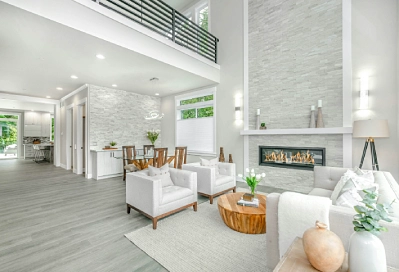
Design works best when it doesn’t call attention to itself. You walk through a home, everything feels right, and there’s nothing to question. That sense of ease rarely just happens.
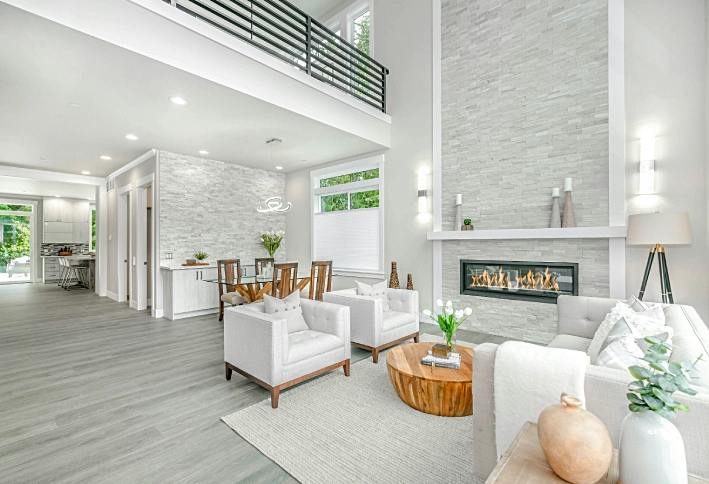
Many homeowners who approach architects in Northern Beaches start with a look in mind, but the real craft sits beneath the surface, where countless small decisions shape how a space behaves day to day.
What looks simple is usually the result of careful trade-offs, practical thinking, and a fair bit of problem-solving that never makes it into view.
Balancing Movement Flow Within Everyday Living Spaces
A room can look good on paper and still feel awkward once it’s built. That gap between intention and reality is where architects spend much of their time. They study how people move, where they pause, and what gets in the way.
Sometimes it comes down to centimetres. A doorway shifted slightly can stop two paths from colliding. A corridor widened just enough avoids that cramped feeling when people pass each other. These are small adjustments, easy to miss, but they shape how a home is experienced every single day.
It’s not about making spaces bigger but rather making them work properly. When it’s done well, you don’t notice anything at all. You just move through the house without thinking twice.
Designing Comfort Through Passive Climate Response Strategies
Mechanical systems can solve a lot, but they are not always the smartest first move. A well-considered design leans on natural conditions before switching anything on.
Sunlight plays a big role. In cooler months, it’s invited deep into living areas, warming surfaces that hold onto heat. When temperatures climb, shading steps in, cutting glare and keeping interiors from overheating. Ventilation follows a similar logic. Openings are placed to catch breezes, not just for airflow but for relief on still days.
These choices are mapped out early, long before construction begins. They reduce reliance on artificial cooling and lighting, which in turn lowers running costs. More importantly, they create a home that feels comfortable without constant adjustment.
Bridging Design Intent With Real Construction Outcomes
There’s often a gap between what looks good on a drawing and what can actually be built without headaches. Closing that gap takes a working knowledge of construction, not just design.
An architect who understands how buildings come together can spot issues before they become expensive surprises. They’ll know when a detail is unnecessarily complex, or when a structural idea needs refining to stay within budget. That awareness shapes decisions early, where changes are easier to manage.
It also keeps communication clear between everyone involved. Builders, consultants, and clients all work from the same understanding. Fewer assumptions, fewer revisions, and a smoother process overall.
Working Through Local Rules And Site Limitations
Every project sits within a framework of rules, and those rules can be tighter than expected. Height limits, boundary setbacks, overshadowing requirements, they all influence what’s possible.
Then there’s the site itself. Sloping ground, existing trees, neighbouring properties, each one adds another layer to consider. None of it is optional.
Rather than treating these as obstacles, architects tend to work with them. A restriction might lead to a more interesting layout. A difficult site could open up new ways of arranging spaces. It’s rarely straightforward, but that’s where experience comes into play.
Small Details That Improve Daily Living Experiences
Some of the most valuable decisions are the least visible. Storage tucked into unused corners. Windows positioned to frame a view without sacrificing privacy. Lighting that shifts naturally through the day.
These details rarely stand out on their own, yet they quietly support how a home functions. You notice them only when they’re missing. A lack of storage becomes clutter. Poor lighting turns a good room into an uncomfortable one.
Getting these elements right takes patience. It’s a process of refining, adjusting, sometimes rethinking entirely. The end result feels effortless, though it rarely starts that way.
Takeaways
When a building works well, it fades into the background of everyday life. There are no constant reminders of poor planning or awkward decisions. Things simply fall into place.
That absence of friction is what defines successful design. Rooms feel connected, temperatures stay comfortable, and paces adapt to different needs without fuss. It might not be obvious at first glance, but it’s there in how the home supports the people living in it.
words Alexa Wang