A lot of people have had this exact moment before. You finally buy the sofa you wanted, upgrade the dining table, maybe even splurge on the perfect armchair.
But the room still feels unfinished. Nothing looks technically wrong. But it also doesn’t feel as polished or comfortable as you imagined it would.
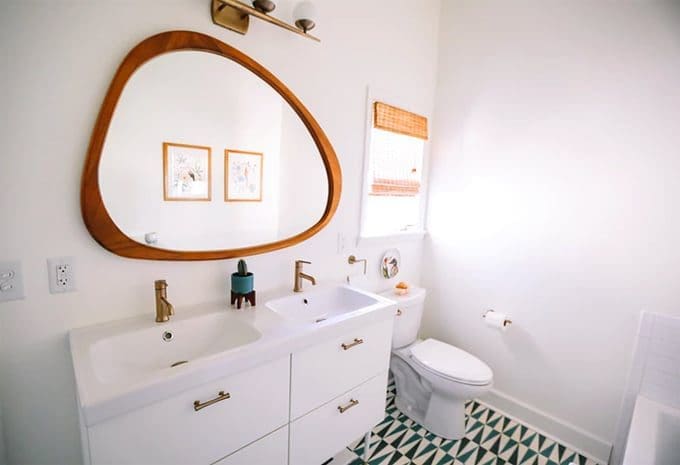
That frustration usually comes from focusing only on the furniture itself. Furniture matters, obviously, but it’s only part of what gives a room personality. The smaller details. The lighting. The textures. The little things attached to the walls. These things often shape the atmosphere far more than people expect.
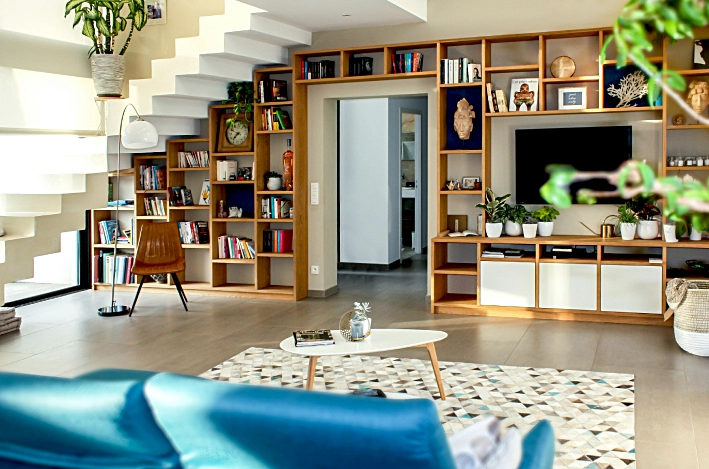
Source: Unsplash (CC0)
Furniture can’t carry the whole room on its own
Furniture tends to get treated like the star of the show. People spend weeks comparing sofas, scrolling through dining tables. Debating coffee table styles. All because those are the biggest visual pieces in the room. But once everything arrives, the space can still feel strangely boring.
That’s because furniture is only one layer of the overall design. If the room still has outdated fixtures, harsh lighting, or generic finishes everywhere else, the expensive furniture starts fighting against its surroundings instead of standing out naturally. Sometimes the missing piece isn’t another chair or rug. It’s the details surrounding them.
Small details change how a space actually feels
A room isn’t experienced only with your eyes. You notice it through touch and movement too. Cabinet handles, door levers, light switches, and faucets are things people interact with constantly. When those details feel cheap or mismatched, the whole room can feel unfinished without anyone fully understanding why.
That’s one reason why you should look at hardware & lighting for your home after finishing larger furniture purchases. Those smaller touchpoints help everything feel more intentional overall. It’s kind of like wearing a tailored suit with worn-out sneakers. Individually, the pieces may work fine, but together something feels slightly disconnected.
Empty walls and harsh lighting create visual imbalance
Furniture mostly fills the floor, but your eyes naturally travel upward around the room too. When walls feel bare or lighting feels cold and overly bright, the entire atmosphere changes. Even beautiful furniture can feel less inviting under harsh overhead lights or next to blank walls with no warmth or texture around them.
Lighting plays a massive role in mood. Soft ambient lighting tends to make rooms feel calmer, warmer, and more welcoming almost instantly. Swapping outdated fixtures or adding layered lighting often does more to take your home interior to the next level than buying another expensive decorative piece.
Few things kill a cozy room faster than overly bright ceiling lights that make everything feel like an office waiting room.
Atmosphere is what makes a home feel personal
The rooms people remember most usually aren’t the ones with the most expensive furniture. They’re the rooms that feel warm, comfortable, layered, and lived in. That feeling comes from the atmosphere far more than price tags.
Furniture gives you the foundation, but lighting, hardware, textures, and thoughtful details are what make a room actually feel complete.
words Alexa Wang