Roof inspections often uncover problems that homeowners cannot see from the ground. In Independence, heavy snow, hailstorms, strong winds, and repeated freeze-thaw cycles gradually wear down roofing materials, even when the roof appears to be in good condition.
Small issues can quickly develop into leaks, mold, or structural damage if left untreated. That’s why many homeowners rely on roofing professionals serving Independence to identify hidden damage before it becomes a costly repair. Understanding the most common Independence roofing problems found during inspections helps homeowners protect their investment and avoid unexpected roofing emergencies.
Storm Damage Is Often More Extensive Than It Looks
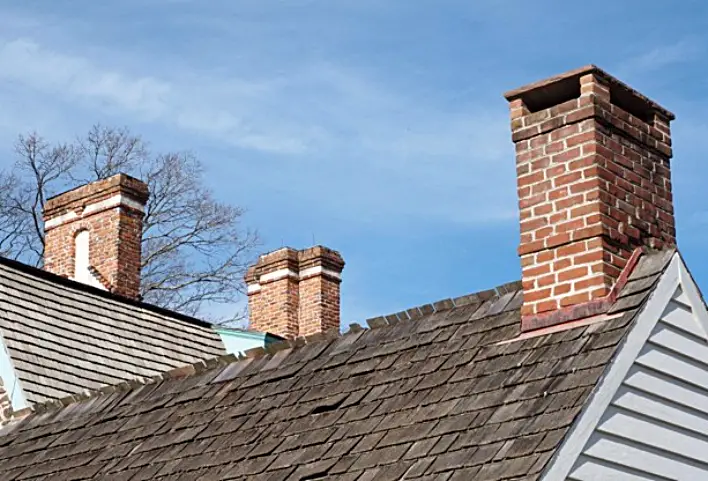
One of the most common findings during an Independence roofing inspection is storm damage that isn’t immediately visible. Hail can bruise asphalt shingles and remove protective granules without creating obvious holes, while strong winds may loosen shingles or damage flashing around chimneys, roof vents, and valleys. Over time, these weakened areas allow moisture to work beneath the roofing system, especially during heavy rain or melting snow. Because much of this damage cannot be seen from the ground, scheduling a professional inspection after severe weather helps identify problems early and prevents small repairs from becoming major restoration projects.
Roof Leaks Usually Begin Around Flashing and Roof Penetrations
Many roof leaks do not start in the middle of the roof. Instead, they develop around flashing, chimneys, skylights, plumbing vents, roof valleys, and other areas where different roofing materials meet. As flashing ages or sealants deteriorate, water can slowly enter beneath the shingles and reach the roof deck. Homeowners may not notice the problem until ceiling stains, peeling paint, or attic moisture appear inside the home. During routine Independence roofing inspections, contractors pay close attention to these vulnerable areas because repairing flashing early is significantly less expensive than repairing water-damaged framing, insulation, or drywall.
Poor Attic Ventilation Can Lead to Bigger Roofing Problems
A roof inspection also evaluates conditions inside the attic because proper ventilation plays a major role in roof performance. Older homes or homes with inadequate airflow often trap heat and moisture beneath the roof deck. During winter, warm attic air contributes to ice dams that force water beneath the shingles. During summer, excessive attic temperatures accelerate shingle aging and reduce the roof’s overall lifespan. Improving ventilation through balanced ridge and soffit vents, along with proper insulation, helps reduce moisture buildup, improve energy efficiency, and extend the life of Independence roofing systems.
Aging Roofing Materials Should Never Be Ignored
Even high-quality roofing materials eventually wear out after years of exposure to Missouri weather. Asphalt shingles may crack, curl, or lose granules, while flashing, pipe boots, and sealants naturally deteriorate with age. These issues rarely cause immediate leaks, but they leave the roofing system more vulnerable during future storms. A professional Independence roofing inspection helps determine whether the roof simply needs maintenance, targeted repairs, or is approaching the point where replacement offers better long-term value. Addressing aging materials before they fail often saves homeowners thousands of dollars in future repairs.
Protect Your Independence Roofing with Routine Inspections
Most roofing problems develop long before homeowners notice leaks or interior damage. Regular inspections help identify hidden storm damage, deteriorating flashing, ventilation issues, and aging materials before repairs become more extensive. Addressing these problems early extends the life of your Independence roofing system and helps prevent costly structural damage.
Protecting Independence roofing starts with proactive maintenance. Routine inspections, timely repairs, and proper attic ventilation help your roof withstand Missouri’s harsh weather while reducing long-term repair costs.
words Al Woods