Some cruises revolve around lazy days on deck, watching the sea drift by from a sun lounger. Adventure cruises head in a different direction. The type of ship still matters, but it rarely becomes the main talking point once the journey is over.
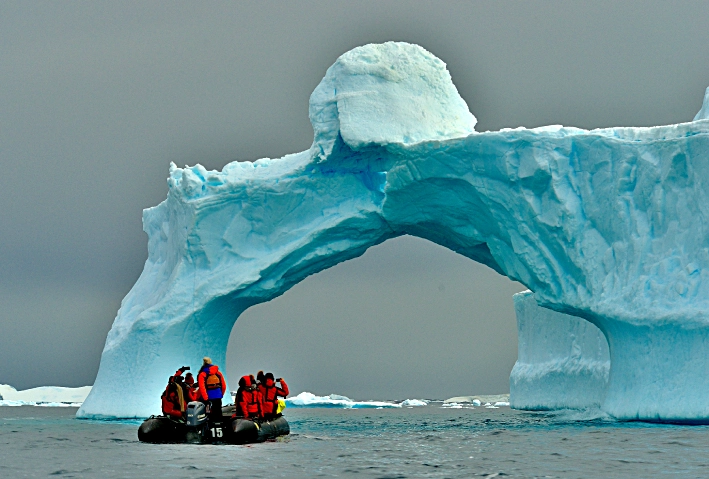
A few days might be spent weaving between icebergs in Antarctica, scanning riverbanks for wildlife in the Amazon, or stepping ashore in a small Arctic settlement where polar bear warning signs stand beside the road. These are trips where weather changes plans, wildlife appears unexpectedly, and the scenery outside the cabin window rarely stays the same for long.
For travellers who enjoy active days and remote places, a cruise can be one of the most practical ways to reach some of the world’s most interesting landscapes.
Antarctica: Expedition Cruises to the World’s Last Wilderness
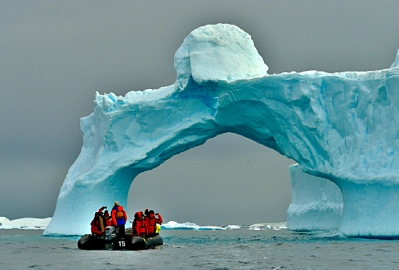
Crossing the Drake Passage remains one of the highlights of an Antarctica cruise. After leaving Ushuaia, expedition ships spend roughly two days heading south through open water before the first icebergs begin appearing on the horizon. The landscape changes quickly after that. Snow-covered peaks, floating ice, and wildlife sightings become part of everyday life.
Anyone looking into iconic Antarctica cruises will find a surprising variety of expedition options. Some itineraries focus entirely on the Antarctic Peninsula, while others continue towards South Georgia and the Falkland Islands, adding king penguin colonies and historic exploration sites to the journey.
Zodiac landings are a major part of the experience. Passengers regularly go ashore at places like Neko Harbour, Cuverville Island and Paradise Bay, where gentoo penguins nest close to landing beaches, and seals often sleep only a short distance from the water’s edge. Many voyages also include guided walks, photography excursions and presentations from polar experts throughout the trip.
One day might involve watching humpback whales feeding offshore. The next could be spent navigating through sea ice while scanning for leopard seals. Expedition schedules often change with conditions, and crews take advantage whenever wildlife appears nearby.
The Norwegian Fjords: Small-Ship Cruises Through Geirangerfjord and Nærøyfjord
Western Norway’s fjords look impressive from roadside viewpoints, but the scale becomes much easier to appreciate from the water. Small ships can travel deep into narrow channels where steep mountains rise almost directly from the shoreline.
Geirangerfjord attracts most of the attention, and for good reason. The Seven Sisters waterfall remains one of the highlights, especially after periods of heavy rain. Above the fjord, viewpoints such as Flydalsjuvet and Dalsnibba draw visitors arriving by coach and car throughout the summer. Looking down from either location gives a good idea of just how small the cruise ships appear below.
Further south, Nærøyfjord feels narrower and quieter. Parts of the fjord are only a few hundred metres across. Nearby Flåm is often busy when trains arrive, particularly around the station area and harbour promenade. Bergen serves as a common departure point, and spending an afternoon walking around Bryggen’s wooden buildings or browsing the Fish Market near Vågen Harbour is time well spent before embarkation.
The Galápagos Islands: Wildlife Cruises Around Darwin’s Archipelago
Wildlife encounters begin almost immediately in the Galápagos. Sea lions stretch out on benches, marine iguanas gather beside walking paths, and frigatebirds circle overhead. The animals here have spent generations with very few natural predators, which explains why they show little concern about nearby humans.
Cruises move between islands such as Santa Cruz, Española, Fernandina and Isabela, each with its own landscape and wildlife. Española is one of the best places to see waved albatrosses during nesting season. Fernandina’s black lava fields support large numbers of marine iguanas, often clustered together near the shore. At Punta Vicente Roca on Isabela, zodiac excursions frequently reveal Galápagos penguins darting through the water close to sea turtles.
Before boarding, many passengers spend a day or two in Puerto Ayora. Avenida Charles Darwin runs along the waterfront, where fishing boats dock beside small souvenir stalls. Pelicans gather around the fish market waiting for scraps, often attracting a crowd of curious onlookers. A visit to the Charles Darwin Research Station helps put the islands’ conservation efforts into context.
The Amazon River: Jungle Expedition Cruises from Manaus to Iquitos
The Amazon feels vast from the deck of a small expedition ship. Even after several days on the river, the scale remains difficult to comprehend. Dense rainforest stretches for kilometres in every direction, interrupted only by tributaries, villages and occasional clearings.
Manaus serves as the starting point for many cruises. The city’s historic centre still contains reminders of its rubber-boom era, particularly around Teatro Amazonas and the surrounding streets. Not far from the city, the Meeting of the Waters remains one of the Amazon’s most fascinating natural features. The dark Rio Negro and lighter Solimões River flow side by side for several kilometres before eventually merging.
Wildlife sightings often happen when least expected. Pink river dolphins surface beside boats, sloths cling motionless to branches, and colourful macaws pass overhead. Further west, cruises operating near Iquitos frequently venture into the Pacaya-Samiria National Reserve. Water levels change dramatically throughout the year, which means routes through flooded forests can look completely different depending on the season.
Svalbard, the Arctic: Polar Cruises at 78° North
Svalbard sits deep inside the Arctic Ocean, well north of mainland Norway. Most journeys begin in Longyearbyen, where colourful wooden buildings stand beneath steep mountains, and snowmobiles line the streets for much of the year.
Once the ship leaves port, the landscape quickly becomes more remote. Massive glaciers descend towards the sea, and old mining settlements appear unexpectedly along the coastline. Ny-Ålesund is one of the most interesting stops. The settlement now hosts scientific research teams from several countries, but traces of its mining past remain visible. Near the waterfront stands the mast associated with Roald Amundsen’s airship expeditions in the 1920s.
Wildlife is a constant topic of conversation on board. Polar bears attract the most attention, though walrus colonies often provide longer viewing opportunities. Arctic foxes regularly patrol beneath seabird cliffs, while thousands of guillemots and kittiwakes nest on rocky ledges during summer. Under the midnight sun, passengers may still be on deck at 11 pm watching glacier fronts drift by.
Which adventure cruise is calling you?
Adventure cruises take travellers into places that are difficult to experience any other way. Whether it’s navigating through Antarctic ice, drifting along an Amazon tributary or sailing beneath towering Norwegian cliffs, the destination remains the focus throughout the journey.
The memories people bring home are often surprisingly specific: a curious penguin walking past a landing site, a walrus hauled out on an Arctic beach, or a dolphin surfacing beside a skiff in the Amazon. Those small moments tend to stay long after the voyage ends.
words Al Woods