Kenya tends to surprise first-time visitors. Most arrive thinking about lions, elephants and dramatic wildlife documentaries, then leave talking about things they hadn’t expected.
It might be a morning watching fishermen bring in their catch along the coast, a conversation with a guide who grew up near the reserve, or a few hours spent wandering through Nairobi’s neighbourhoods before heading into the bush.
The wildlife is the main draw, but it is only one part of the experience. A trip here can take you to open grasslands, mountain views, Indian Ocean beaches and historic Swahili settlements. For anyone planning a first safari, Kenya remains one of the easiest and most rewarding places to begin.
The Masai Mara and the Great Migration: Planning Your First Kenya Safari
The Masai Mara often becomes the centrepiece of a first safari, and it rarely disappoints. The reserve forms part of a vast ecosystem that stretches south into Tanzania’s Serengeti. Between July and October, enormous herds of wildebeest and zebra move through the region, creating one of the most closely watched wildlife events anywhere in Africa.
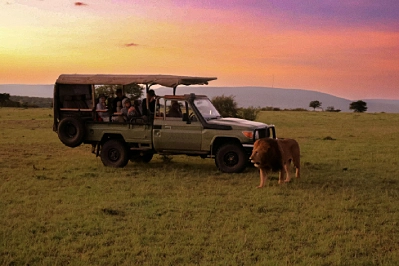
Looking through the routes, conservancies and accommodation featured in the world-class safaris in Kenya quickly shows how much variety there is. The Masai Mara is only one part of the picture. Some itineraries focus on migration season and river crossings near the Mara River, while others combine the Mara with Amboseli, Samburu or Lake Nakuru. Conservancies such as Naboisho and Mara North generally have fewer vehicles than the main reserve, and guides often spend longer tracking resident lion prides, cheetahs and elephants across the plains.
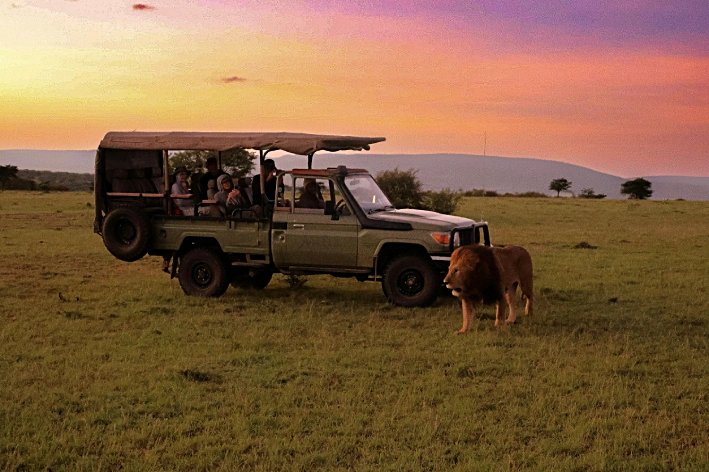
Most game drives start before dawn. Vehicles leave camp while the grass is still wet with dew and temperatures remain cool. By breakfast time, guides may already have followed fresh leopard tracks across a dirt road or found a group of lions stretched out beneath a flat-topped acacia.
Beyond the Big Five: Kenya’s Most Underrated Wildlife Encounters
The famous Big Five attract most of the attention, but some of Kenya’s most interesting wildlife sightings involve animals that rarely appear on postcards.
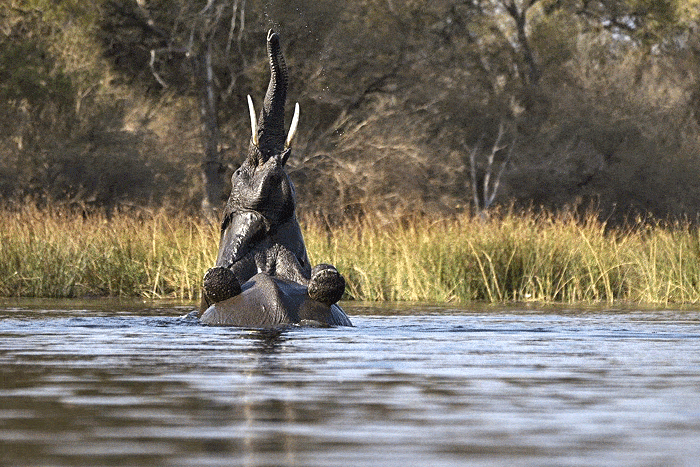
Samburu National Reserve feels noticeably different from the greener parks further south. The landscape is drier, the vegetation is lower, and species such as the reticulated giraffe, Grevy’s zebra, and gerenuk are regularly spotted. Along the banks of the Ewaso Ng’iro River, elephants gather in surprising numbers. Early mornings here can be particularly productive for leopard sightings.
Amboseli National Park often appears in photographs because of Mount Kilimanjaro rising beyond the plains. Large elephant herds dominate the landscape, but plenty is happening away from the headline wildlife. Wetland areas attract pelicans, herons and countless other bird species, especially after seasonal rains.
At Lake Nakuru, white rhinos frequently graze within easy view of safari vehicles. Baboons linger around picnic sites and entrance roads, keeping a close eye on unattended snacks. Depending on lake conditions, flamingos can still gather along sections of the shoreline, adding flashes of colour against the alkaline water.
Where to Stay: From Luxury Tented Camps to Community-Owned Lodges
Accommodation in Kenya ranges from simple bush camps to some of Africa’s most luxurious safari properties. Tented camps remain particularly popular because they place guests directly within wildlife areas while still providing comfortable beds, hot showers and proper dining facilities.
Around the Masai Mara, many camps operate within private conservancies on land leased from local Maasai families. The arrangement helps support local communities while maintaining large wildlife corridors outside the national reserve. Some camps sit beside seasonal rivers where elephants frequently pass, especially during the evening.
Community-owned lodges provide a different experience. In parts of Amboseli and northern Kenya, local guides often bring decades of knowledge about animal movements, weather patterns and the surrounding landscape. Conversations around the campfire can easily drift from wildlife to local traditions, livestock herding and everyday life in the region.
Migration season remains the busiest period. Camps with river views or prime wildlife locations often fill up long before August arrives.
Kenya’s Coast and Culture: What to Do Before or After Your Safari
A few days on the coast can add a completely different side to a Kenya itinerary. Mombasa’s Old Town remains one of the most interesting places to explore on foot, particularly around Ndia Kuu Road and the narrow lanes branching away from it. Wooden balconies lean over the streets, while traders move between small shops selling spices, textiles and household goods.
Fort Jesus overlooks the harbour and provides useful context for understanding the city’s long history as a trading port. Nearby streets around Mackinnon Market become especially busy during the morning, when residents arrive to buy fruit, vegetables and fresh seafood before temperatures climb.
Further north, Lamu feels unlike anywhere else in the country. Donkeys still serve as the primary form of transport through the narrow alleyways, and traditional dhow boats remain a common sight along the waterfront. The seafront walkway becomes livelier in the late afternoon as residents gather near the harbour.
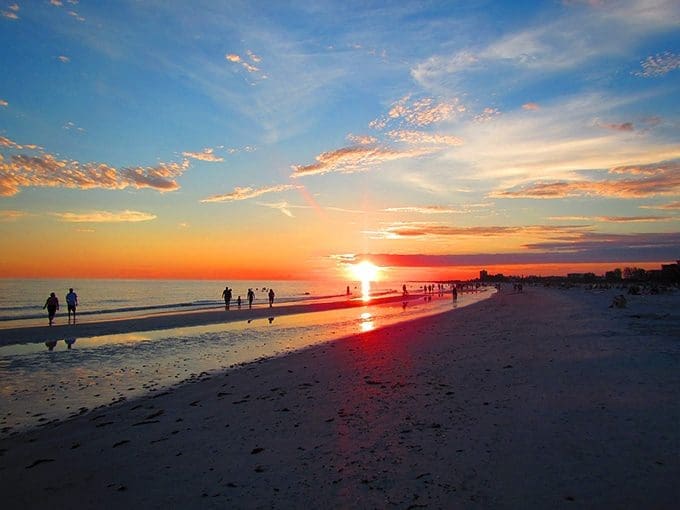
For beach time, Diani Beach is often the easiest choice. The coastline stretches for miles, and local boats regularly head out towards nearby coral reefs for snorkelling and diving trips.
When to Go and How to Book: Essential Planning for First-Time Visitors
Kenya receives visitors throughout the year, although wildlife conditions vary depending on rainfall and location. July to October generally attracts the largest crowds because of the Great Migration, particularly around the Masai Mara.
January and February are often excellent months for game viewing. Vegetation is typically thinner, making animals easier to spot. Birdwatchers often favour the months between November and April, when migratory species arrive from Europe and Asia.
Most international flights arrive in Nairobi. Spending a day in the city is worthwhile before heading out on safari. Nairobi National Park sits surprisingly close to the skyline, while the Karen area contains museums, galleries and historic sites linked to the country’s past. The walkways and forest trails at Karura Forest are also popular with locals.
Is Kenya the ultimate safari destination?
Kenya has earned its reputation over many decades, and a visit quickly explains why. The Masai Mara remains one of Africa’s great wildlife destinations, yet there is far more to the country than migration season and the Big Five. Samburu’s unusual wildlife, Amboseli’s elephant herds, rhino conservation at Lake Nakuru and the historic streets of Mombasa all contribute to the experience.
What stays with people is often the variety. One day might begin with a sunrise game drive and finish with a walk along the Indian Ocean coast. Another could involve tracking wildlife in the bush before spending the evening listening to stories from local guides.
words Al Woods