The Caribbean is full of islands that dominate travel brochures and cruise itineraries, yet Turks and Caicos still manages to stay slightly outside the spotlight. That’s surprising once visitors arrive. The water is unusually clear, the beaches stretch for miles, and even the busiest areas rarely feel crowded by Caribbean standards.
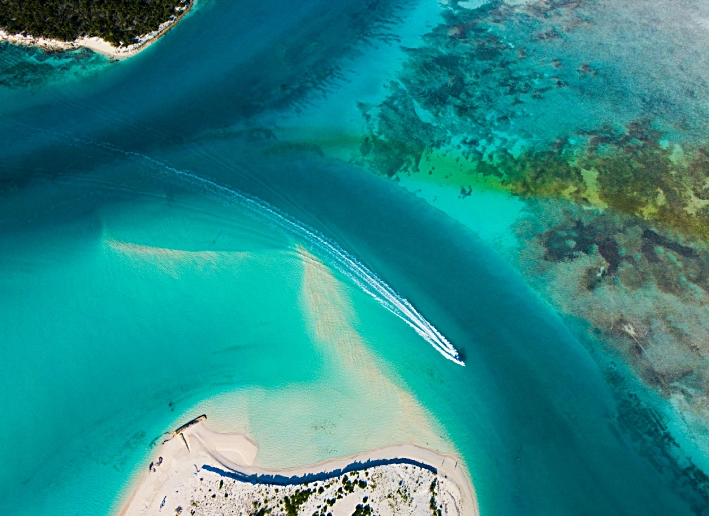
Most first-time visitors head straight to Providenciales, but the wider archipelago tells a bigger story. Ferry crossings lead to quieter islands, old salt ponds reveal parts of the territory’s history, and small settlements continue much as they have for decades.
Turks and Caicos: Private Shores, Turquoise Water, and Stays Worth the Journey
Providenciales stretches wider than many first-time visitors expect. The tourism centre sits around Grace Bay, but a short drive along Leeward Highway quickly leads into quieter residential areas where canals, marinas and beachfront homes become more common than hotels.
Anyone browsing the most coveted Turks and Caicos villa rentals will notice how different parts of Providenciales appeal to different types of visitors. Long Bay Beach attracts families and watersports enthusiasts thanks to its shallow water and broad sandy shoreline. Villas here often sit directly on the beach, with outdoor dining areas facing the Caicos Banks and enough space for larger groups to spread out comfortably. Around Leeward, homes cluster near quiet waterways and private docks, while Blue Haven Marina provides access to fishing charters, snorkelling boats and day trips to nearby cays.
A drive through Leeward reveals another side of the island. Palm-lined residential roads curve around canals where boats sit moored outside private homes. It feels very different from the busier stretch of Grace Bay Road only a few minutes away.
North Caicos and Middle Caicos: The Quieter Islands Worth the Ferry Ride
The ferry terminal at Heaving Down Rock sees a steady flow of traffic heading towards North Caicos. The crossing itself takes less than half an hour, though the landscape feels noticeably different on arrival.
North Caicos is greener than Providenciales, with more vegetation, small farms and quiet roads bordered by thick palms. Along King’s Road, fruit stands line the highway, selling coconuts, mangoes and seasonal produce. Flamingo Pond Overlook remains one of the island’s most reliable wildlife viewing points, especially early in the morning when birds are often easier to spot across the wetlands.
Middle Caicos feels even more isolated. Mudjin Harbour draws most attention, particularly from the cliff-top viewpoints near Dragon Cay. The Crossing Place Trail follows part of an old coastal route once used by residents travelling between settlements. A few kilometres away, Conch Bar Caves National Park extends beneath the limestone landscape. The caves are surprisingly extensive, and on many afternoons, visitors can walk through large sections without encountering another group.
Grace Bay Beach: Still One of the World’s Best – and What Surrounds It
Grace Bay remains the island’s most recognisable beach, though photographs rarely capture how large it actually is. The beach stretches along the northern coast of Providenciales for several kilometres, and even during busy periods there is usually space to walk without weaving through rows of sun loungers.
Away from the sand, Grace Bay Road serves as the area’s main commercial strip. Small shopping plazas, local businesses and excursion offices line the road, while beach access paths appear regularly between buildings. Some visitors stay several streets back from the ocean and simply walk down each morning.
Further west, The Bight Park provides access to another popular stretch of coastline. Coral Gardens sits just offshore and is one of the easiest snorkelling sites to reach directly from the beach. Schools of fish often gather around the reef, and sea turtles are occasionally spotted nearby. On the eastern side of Grace Bay, Leeward Beach tends to remain quieter. Early walkers, runners and dog owners are often the first people on the sand before temperatures begin climbing.
Salt Cay and South Caicos: Off-the-Radar Islands for Serious Escapists
Salt Cay feels like a place that escaped major development altogether. Balfour Town remains small enough to explore on foot, and many visitors spend their stay moving around by golf cart. Old salt ponds dominate parts of the landscape, a reminder of the industry that once drove the local economy.
Historic buildings remain scattered throughout the settlement, including former warehouses, windmills and the old H.M. Prison near the waterfront. Between January and April, humpback whales migrate through nearby waters, and boat operators frequently report sightings close to shore.
South Caicos presents a different picture. Fishing boats line parts of Cockburn Harbour, and seafood processing continues to play an important role in local life. Around the harbour, residents gather outside shops, boats unload fresh catches and everyday routines continue largely unaffected by tourism. Beyond the town are salt flats, rocky coastal sections and long empty beaches where footprints can remain undisturbed for hours.
Providenciales’ Restaurant Scene: Where to Eat Well Beyond the Resort Gates
Food is one of the easiest ways to experience daily life on Providenciales beyond the resort grounds. While Grace Bay contains the largest concentration of restaurants, worthwhile places are scattered across the island, particularly near Leeward Highway and along side streets branching away from the main tourist areas.
Conch appears almost everywhere. Some kitchens serve it raw, others fry it, grill it or add it to stews. Local fish, lobster and Caribbean spiny lobster are common menu staples when available. Around Graceway Plaza and nearby shopping centres, supermarkets become surprisingly busy before weekends as residents stock up for family gatherings and beach days.
Thursday evening community events continue to attract a mix of locals and visitors. Food stalls, craft vendors and live music create a lively atmosphere that feels connected to the island itself. Conversations tend to last longer than expected, and it’s often one of the few places where visitors regularly spend an evening alongside people who actually live here year-round.
Is Turks and Caicos the Caribbean’s ultimate escape?
Turks and Caicos often gets reduced to a handful of beach photographs, but the islands contain far more variety than many people realise. A trip might include snorkelling off Grace Bay, driving through North Caicos farmland, exploring cave systems beneath Middle Caicos or watching fishing boats return to Cockburn Harbour.
The beaches deserve their reputation. So does the water. Yet some of the most memorable moments happen away from the shoreline, whether that’s walking through Balfour Town, stopping at a roadside fruit stand on North Caicos, or spending an afternoon on roads with almost no traffic. Those details tend to stay with people long after the trip ends.
words Alexa Wang