
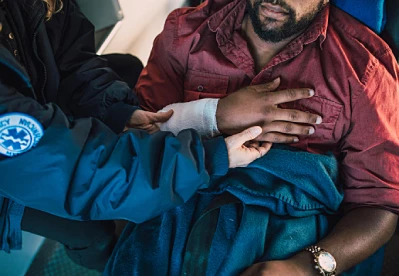
Hand and forearm injuries frustrate athletes and fitness enthusiasts tremendously—suddenly, exercises you’ve performed for years become impossible, and even simple daily tasks feel challenging. Whether you’re dealing with tendonitis, a strain, or recovering from a more serious injury, the path back to full strength requires patience, intelligence, and strategic rehabilitation.
Rushing back to heavy training invariably prolongs recovery or worsens the original problem, creating cycles of injury and frustration that can last months or even years. Understanding proper rehabilitation principles, knowing when to push and when to rest, and implementing progressive loading that respects healing timelines makes the difference between full recovery and chronic issues that plague you indefinitely. The goal isn’t just returning to previous strength levels—it’s building resilience that prevents future injuries whilst addressing the weaknesses or imbalances that contributed to the original problem.
Understanding Common Hand and Forearm Injuries
Tendonitis and Overuse Syndromes
Tendonitis—inflammation of the tendons connecting muscle to bone—represents one of the most common grip-related injuries. Tennis elbow (lateral epicondylitis) and golfer’s elbow (medial epicondylitis) affect countless athletes and manual laborers, causing pain that radiates through the forearm and limits gripping activities.
These conditions typically develop gradually through repetitive stress without adequate recovery. The pain might start as mild discomfort after training, eventually progressing to constant aching that interferes with daily activities. Recognizing early warning signs and addressing them immediately prevents minor irritation from becoming debilitating chronic conditions.
Strains and Acute Injuries
Muscle strains occur when fibers tear due to sudden excessive force or inadequate warm-up before intense activity. Unlike the gradual onset of tendonitis, strains typically happen during specific moments—perhaps attempting a personal record deadlift or catching yourself during a fall.
Acute injuries require different management than chronic overuse conditions. Initial rest, ice, compression, and elevation (RICE protocol) helps minimize damage and inflammation. However, extended complete rest rarely proves optimal—strategic, gentle movement promotes healing whilst preventing the stiffness and weakness that complete immobilization creates.
Rehabilitation Principles
The Importance of Proper Diagnosis
Before beginning any rehabilitation program, ensure you understand your specific injury. Self-diagnosis frequently proves inaccurate, leading to inappropriate treatment that delays recovery. Consulting healthcare professionals—sports medicine doctors, physiotherapists, or occupational therapists—provides accurate diagnosis and professional guidance tailored to your situation.
Different injuries require distinct approaches. What helps tendonitis might worsen a ligament issue. What’s appropriate for acute strains could prove harmful during fracture recovery. Professional assessment prevents the costly mistakes that amateur rehabilitation often involves.
Progressive Loading Strategies
Rehabilitation succeeds through gradual, progressive loading that respects healing tissues whilst providing stimulus for adaptation. Start with pain-free ranges of motion and extremely light resistance. As tolerance improves, incrementally increase demands—extending range, adding resistance, or increasing volume.
Pain serves as your primary guide. Mild discomfort during rehabilitation exercises is acceptable, but sharp pain or significant soreness lasting beyond the session indicates excessive demands. Respect these signals—pushing through pain during recovery creates setbacks that erase weeks of patient progress.
Rebuilding Grip Strength Safely
Starting with Isometric Exercises
Isometric contractions—holding positions without movement—provide safe initial loading for healing tissues. These exercises build strength without the mechanical stress that dynamic movements create. Simple grip holds with very light objects, wall presses, or gentle squeezing develop strength whilst minimizing injury aggravation risk.
Gradually increase hold durations and resistance as tolerance improves. Track your progress—extending a hold from 10 to 30 seconds represents genuine improvement worth celebrating during rehabilitation when gains feel slower than regular training.
Introducing Dynamic Movement
Once isometric work feels comfortable and pain-free, cautiously introduce dynamic exercises. Begin with bodyweight or extremely light resistance through partial ranges of motion. Wrist curls with just the bar, light resistance band work, or gentle finger flexion exercises reconnect neural pathways whilst loading tissues minimally.
Quality grippers or adjustable resistance tools allow precise control over training loads. Using a grip strengthener with appropriate resistance enables systematic progression that matches your recovering capacity, preventing the setbacks that occur when returning to previous training loads too aggressively.
Balancing Flexors and Extensors
Many grip injuries stem from muscular imbalances—overdeveloped flexors relative to extensors create disproportionate forces that stress tendons and joints. Rehabilitation provides an opportunity to address these imbalances through dedicated extensor work that most training programs neglect.
Rubber band finger extensions, reverse wrist curls, and extensor-specific exercises build balance that supports long-term health. This corrective work might feel tedious compared to crushing heavy grippers, but it addresses root causes rather than merely treating symptoms.
Managing Training Around Injuries
Maintaining Overall Fitness
Hand and forearm injuries needn’t completely derail training. Lower body work continues unaffected, and many upper body exercises remain possible with modifications. Machines with back support rather than requiring grip, leg exercises, and core work maintain overall fitness whilst your hands heal.
This continued training preserves cardiovascular conditioning, maintains muscle mass in unaffected areas, and provides psychological benefits during the frustrating rehabilitation period. Staying active in modified ways prevents the complete detraining that extended rest produces.
Strategic Exercise Modifications
Creativity keeps training productive despite grip limitations. Thick bar attachments sometimes prove more comfortable than standard bars due to pressure distribution. Straps allow pulling exercises when grip strength proves inadequate. Neutral-grip positions often feel better than pronated or supinated grips.
Experiment carefully to identify what your hands can tolerate without pain. These workarounds maintain training consistency whilst respecting healing requirements, preventing the complete cessation that prolongs recovery and creates motivational challenges.
Preventing Future Injuries
Identifying Contributing Factors
Injuries rarely occur randomly—typically, specific factors create vulnerability. Perhaps your training volume increased too rapidly, inadequate warm-ups left tissues unprepared, or technique issues placed excessive stress on particular structures. Honest assessment identifies these contributing factors, enabling corrections that prevent recurrence.
Keep training logs documenting volume, intensity, and how your hands feel. Patterns often emerge—maybe pain worsens after high-volume days or particular exercises consistently cause problems. This data reveals adjustments that support long-term health.
Building Resilience Through Balanced Training
Prevention requires addressing weaknesses before they become injuries. Include extensor work regularly, vary grip positions and exercises, and avoid excessive volume in single movement patterns. Cross-training with different grip challenges—climbing, carrying odd objects, varied implements—builds comprehensive strength and resilience.
Schedule regular deload weeks where training volume and intensity decrease, allowing accumulated fatigue to dissipate. These planned recovery periods prevent the overuse that leads to injury whilst maintaining long-term progress better than constant high-intensity training.
FAQ Section
How long does grip injury recovery typically take?
Recovery timelines vary dramatically based on injury severity and individual factors. Minor strains might resolve within 2-3 weeks, whilst significant tendonitis could require 3-6 months of careful rehabilitation. Rushing recovery consistently extends timelines—patience during initial stages pays dividends through complete healing.
Should I completely stop training during recovery?
Complete rest proves counterproductive for most injuries beyond the initial acute phase. Strategic, graduated exercise promotes healing, maintains strength in unaffected areas, and prevents the deconditioning that complete cessation creates. Work with healthcare professionals to develop appropriate modified training programs.
When can I return to heavy lifting?
Return to previous training loads only after you can perform rehabilitation exercises pain-free with good form and have rebuilt strength to near pre-injury levels. This typically requires weeks or months depending on injury severity. Premature return to maximum loads risks re-injury that prolongs recovery significantly.
Can I prevent grip injuries entirely?
While no strategy eliminates injury risk completely, balanced training, adequate recovery, proper warm-ups, and attention to technique dramatically reduce vulnerability. Many grip injuries are preventable through intelligent programming that respects recovery capacity and addresses muscular imbalances.
Should I use pain medication during recovery?
Anti-inflammatory medications may provide symptomatic relief during acute phases, but masking pain risks pushing beyond appropriate limits and worsening underlying issues. Use medication judiciously under medical guidance, remembering that pain serves as an important feedback mechanism during rehabilitation.
Conclusion
Recovering from hand and forearm injuries tests patience and discipline more than most training challenges. The slow, incremental progress feels frustrating compared to the rapid gains possible with healthy tissues, yet respecting healing timelines ultimately delivers complete recovery rather than chronic problems. Understanding your specific injury, implementing appropriate rehabilitation exercises with progressive loading, and maintaining overall fitness through modified training creates the foundation for successful recovery. Learning from injuries—identifying contributing factors and implementing preventive strategies—transforms setbacks into opportunities for building long-term resilience. Whether dealing with tendonitis, strains, or recovering from more serious injuries, the principles remain consistent: start conservatively, progress gradually based on tolerance rather than arbitrary timelines, and address underlying weaknesses that created vulnerability initially. With patience and intelligent programming, most grip injuries heal completely, allowing you to return stronger and more resilient than before the injury occurred.