Choosing the right vegetable-tanned leather is crucial for slim wallet designs, as not every type offers the ideal balance of flexibility, durability, and appearance.
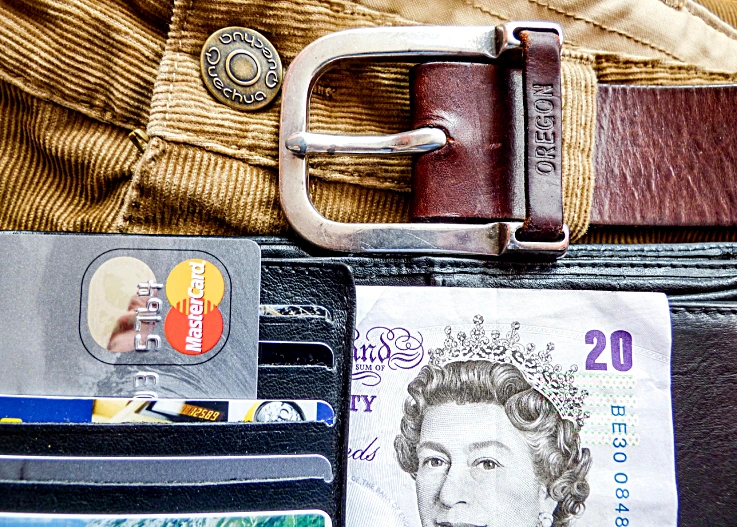
Full-grain vegetable-tanned leather is considered the best option for slim wallets because it is strong, develops a unique patina, and maintains structure without unnecessary bulk. Its natural fibers and eco-friendly tanning process also make it appealing to those looking for a quality, sustainable product.
Slim wallets demand a leather that can be crafted into thin, yet resilient, forms without sacrificing longevity or style. Full-grain vegetable-tanned leather stands out for adapting nicely to use over time while staying firm and aging with character. For anyone seeking both practicality and lasting appeal in a minimalist wallet, this leather is a top material choice.
Key Takeaways
- Full-grain vegetable-tanned leather is ideal for slim wallets.
- It offers lasting durability, flexibility, and a rich patina.
- Proper choice ensures style and sustainability in minimalist designs.
Best Types of Vegetable-Tanned Leather for Slim Wallet Designs
Slim wallet designs require leather that is thin yet durable, resists stretching, and develops a refined patina over time. The choice of grain, animal hide, and specific attributes can make a significant difference in how the wallet performs and ages.
Full Grain vs. Top Grain Vegetable-Tanned Leather
Full grain vegetable-tanned leather retains the entire grain layer, including natural markings and fibers, giving it maximum strength and durability. For slim wallets, it offers a dense structure that resists warping even at reduced thickness. The natural oils and fibers allow it to patina gracefully without losing form.
Top grain vegetable-tanned leather is buffed or sanded to remove imperfections, resulting in a smoother but slightly less robust surface. While still durable, it is less dense than full grain, making it easier to skive (thin) for ultra-slim wallet applications. However, it may not age as richly as full grain. Most leather crafters tend to order veg-tan leather hides online in both full grain and top grain forms, based on the level of strength and finish desired for each slim wallet project.
Popular Animal Hides Used in Slim Wallets
Cowhide is the standard choice for slim wallet designs using vegetable-tanned leather. It offers a balance of strength, workability, and availability in thin cuts. Calfskin is often used for higher-end wallets, as it is smoother, more even-grained, and easier to work into ultra-thin profiles.
Other animal hides, such as goat or horsehide, provide unique grain textures and a distinct hand feel. Goat leather is often favored for its natural elasticity and resistance to cracking even when skived very thin. Horsehide is dense and strong but can be harder to source in consistent, wallet-sized pieces. Exotic hides like kangaroo can be vegetable-tanned and are prized for their extreme strength-to-thickness ratio, but they are less common and usually command a higher price point.
Essential Qualities and Benefits of Vegetable-Tanned Leather
Vegetable-tanned leather stands out for its lasting beauty, robust performance, and environmentally conscious production. Its unique characteristics are a direct result of the traditional tanning method that uses plant-based materials rather than synthetic chemicals.
Patina Development Over Time
One of the most desirable features of vegetable-tanned leather is its ability to develop a rich patina. This natural aging process occurs as oils from hands, sunlight, and everyday handling darken and enrich the surface.
Unlike chrome-tanned leather, vegetable-tanned leather starts with a light, natural tone. Over months and years, it gains depth and character, with each mark and color change telling a visual story. This evolving appearance is highly valued by wallet makers because it delivers a personalized look to every wallet. A well-developed patina enhances the appeal of minimalist wallets, making each piece unique without added dyes or finishes.
Durability and Longevity for Everyday Use
Durability is a core advantage of vegetable-tanned leather. Thanks to the use of natural tannins and the slow tanning process, the fibers in the hide remain tight and resilient.
This type of leather resists stretching and maintains its shape, critical for slim wallet designs that must endure frequent handling and tight pockets. Over time, vegetable-tanned leather often becomes softer and more supple without sacrificing structural integrity. The long-term strength of vegetable-tanned leather means wallets continue to function well and retain their appearance long after first use.
Tanning Process and Environmental Impact
The vegetable tanning process relies on natural tannins extracted from sources like tree bark, leaves, and roots. This method distinguishes itself from chrome tanning, which uses heavy metals and synthetic chemicals.
Environmental benefits of vegetable tanning:
- Chrome-free and free from toxins
- Lower chemical runoff and pollution risks
- Biodegradable leather that breaks down naturally over time
Artisans and small tanneries often favor vegetable tanning for its lower ecological footprint and traditional craftsmanship. For environmentally conscious consumers, choosing a wallet made from vegetable-tanned leather supports a more sustainable leather industry and reduces potential harm to workers and ecosystems.
Conclusion
Vegetable-tanned full-grain leather stands out as the preferred choice for slim wallet designs due to its durability, ability to develop a natural patina, and structural integrity. When choosing materials for compact wallets, leather thickness and flexibility are critical; high-quality vegetable-tanned leathers offer a balance of both.
Types such as Italian and bridle leather deliver consistent results in stitching, edge finishing, and daily wear. For lasting performance and a refined look, wallet makers continue to favor vegetable-tanned leathers sourced from reputable tanneries.