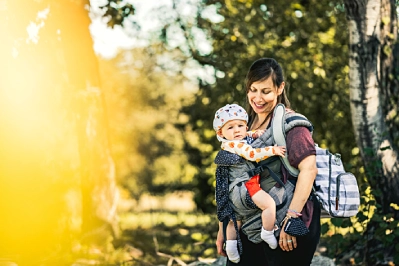
Parenthood has always been an exercise in adaptation, a journey of integrating a new life into one’s own. For generations, the tools of this journey were largely defined by function alone. Today, however, a shift is underway. Items once considered purely practical are now viewed through the lens of design, sustainability, and personal identity. Nowhere is this more apparent than in the world of babywearing, where the simple act of carrying a child has evolved into a meaningful expression of modern family life.
More than just hands-free convenience
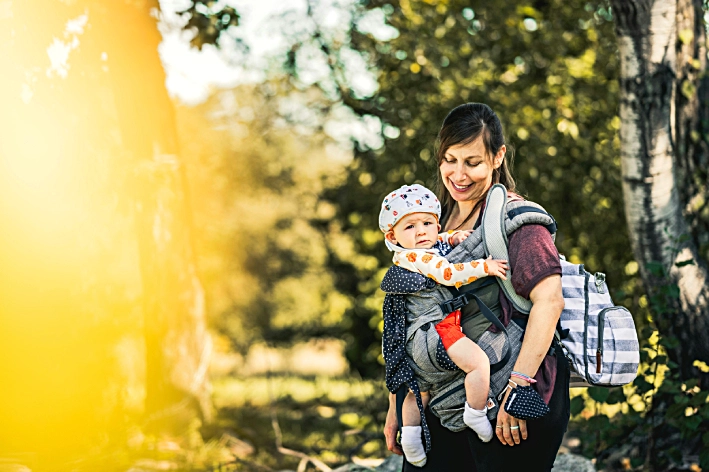
At its core, babywearing is an ancient practice, a simple solution that keeps a baby close while freeing a parent’s hands. This closeness fosters a sense of security and connection, a quiet dialogue of heartbeat and breath. But beyond these intimate benefits, the contemporary embrace of babywearing speaks to a desire for a seamless blend of caregiving and personal life. It allows parents to navigate the world—from city streets to quiet trails—without being tethered to cumbersome equipment, maintaining a sense of freedom and continuity.
The evolution of the baby carrier
The baby carrier has transformed from a basic utility item into a sophisticated accessory that reflects a parent’s values and aesthetic. What was once a simple piece of cloth has been re-imagined by designers who understand that parenthood does not mean the suspension of personal style. This evolution mirrors a broader cultural trend toward mindful consumption, where every object we bring into our lives is chosen with intention. The modern carrier is a product of this mindset, merging thoughtful ergonomics with high-quality materials and contemporary design.
Navigating the options with style and substance
The market now offers a range of choices to suit different lifestyles and preferences. Structured carriers provide support for longer journeys, while ring slings offer quick adjustability for errands. For those who prefer a softer, more intimate feel, a baby wrap carrier can be an excellent option. Made from a long piece of fabric, it cocoons the baby snugly against the parent’s body, offering a custom fit that many find uniquely comforting for a newborn.
Material and design in focus
The conversation around baby products has expanded to include a strong focus on material integrity and design. Parents are increasingly drawn to natural, breathable fabrics like organic cotton, linen, and even cashmere or silk blends. These materials are not only gentle on a baby’s sensitive skin but also offer a tactile richness that elevates the daily experience of carrying. The aesthetic dimension is equally important; a thoughtfully designed pink baby carrier, for example, is not just a piece of gear but a fashion statement, a deliberate choice that reflects a parent’s taste.
Key considerations for the modern parent
When selecting a carrier, several factors come together to create the ideal experience. It is always best to refer to official product instructions or a qualified babywearing consultant for specific guidance on fit and safety, but general considerations include:
- Material Quality: The choice of fabric can impact comfort, breathability, and durability. Natural, sustainable fibers are often preferred for their softness and environmental credentials.
- Ergonomic Principles: A well-designed carrier should distribute weight comfortably for the wearer and support the baby’s natural posture.
- Aesthetics and Identity: The look and feel of the carrier should resonate with your personal style, making it something you are excited to wear.
- Longevity and Versatility: Considering how a carrier will adapt as your child grows can make it a more sustainable and valuable investment.
An expression of personal identity
Ultimately, the modern baby carrier is more than just a tool for transportation. It is a symbol of a parenting philosophy that values connection, quality, and individuality. It represents the idea that becoming a parent is not about sacrificing identity but about expanding it. By choosing an object that is both beautiful and functional, parents make a quiet but powerful statement: that care and style can, and should, coexist.
words Alexa Wang