
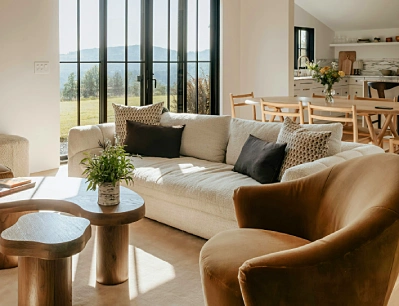
The way we live has changed enormously over the past few decades.
We cook, work, socialise and unwind in ways that previous generations would barely recognise, yet many of us still live in homes designed for a very different era. So are British homes finally catching up?
From Separate Rooms to Open-Plan Living
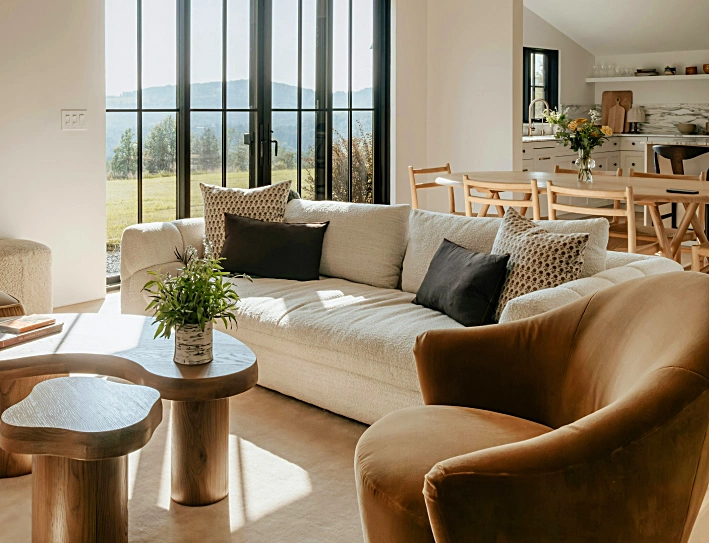
Older British homes were often built around separate rooms for cooking, dining and entertaining, with each space serving a fairly specific purpose. In many newer properties, open-plan kitchens and living areas have become more common, giving families a shared space to cook and spend time together.
Open-plan living has become popular since the turn of the century, partly due to a decline in formal dining. Neither layout suits everyone, but the shift shows how ideas about what makes a home practical have changed over time.
Kitchens Have Come a Long Way
The kitchen is a good example of just how much homes have changed. Older properties often feature dated cupboards and appliances that have been added or replaced piecemeal over the years.
Many newer kitchens include integrated ovens and dishwashers, along with streamlined storage that keeps everyday essentials tucked away. For buyers who would rather not start planning a kitchen renovation the moment they move in, these details can make a real difference.
Better Insulation and the Details You Might Not Notice
Some of the biggest differences between older and newer properties are not the ones you notice during a viewing. Buyers looking at new build homes may find features such as modern glazing and improved insulation already built into the property, rather than having to budget for upgrades later.
These practical details can help keep rooms comfortable year-round and may reduce heat loss compared with less efficient older homes, depending on the property’s condition and specification.
Do Newer Homes Get Everything Right?
Not entirely. Although newer properties offer plenty of practical advantages, older homes still have a strong appeal for buyers who love period features and individual character. High ceilings and original fireplaces are difficult to replicate. New homes have generally become smaller since the 1970s, and you will need to conduct a snagging survey to identify minor defects after completion.
On the other hand, newer layouts and fittings may suit people who want less maintenance and fewer immediate improvements. Ultimately, the question is not whether one type of home is always better than the other, but which features matter most to the person buying it.
written by Alexa Wang