
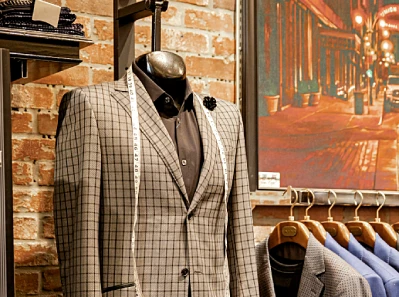
In an age dominated by fast fashion and minimalism, the return of vintage tailoring feels like a breath of sophistication. Today’s designers aren’t just borrowing the aesthetics of the past but are rediscovering the craftsmanship, detail, and drape that defined menswear from a more elegant era. From 1930s-inspired silhouettes to reworked heritage fabrics, the artistry of tailoring has never felt more relevant or more sustainable.
The Revival of Draped Cuts and Soft Structure
Forget the razor-sharp shoulders and slim silhouettes of the early 2000s. The tailoring revival of 2025 is embracing something altogether more fluid. Mid-20th-century drape cuts (popularised by the likes of Frederick Scholte and Anderson & Sheppard) are making a quiet but powerful comeback. These styles focused on sculpting with fabric rather than rigid structure, giving the wearer both shape and ease. Think soft shoulders, natural waists, and jackets that move with you, not against you. It’s tailoring that prioritises comfort and confidence and acts as a reminder that elegance doesn’t need to feel constricting.
The Menswear Revival: Heritage Cuts, Bold Details and Reworked Classics
Modern designers are looking back to move forward. Across runways and bespoke studios, we’re seeing the reintroduction of heritage details: double vents, peak lapels, deeper waistcoats, and the subtle padding that gives a suit its quiet authority. Designers are reinterpreting vintage patterns in modern suits, blending old-world charm with contemporary lines and lighter fabrics. The result? Menswear that feels timeless, but never dated and structured enough for the boardroom, yet expressive enough for the bar.
Rediscovered Fabrics and Weaves from the Past
Another hallmark of this revival is texture. The renewed fascination with materials like tweed, herringbone, and fresco wool reflects a shift away from synthetic uniformity. Designers are rediscovering old mills and traditional looms, integrating antique weaves into contemporary tailoring. Antiqued linen and hopsack blends are particularly popular for their natural drape and lived-in patina. These fabrics tell a story before the wearer does because the beauty of vintage textiles lies in their imperfection and these imperfections can’t easily be replicated by modern synthetics.
Tailoring Hacks from Vintage for Fit & Alteration
While technology is transforming pattern-cutting, many of today’s best designers are looking backward for inspiration on how to perfect a fit. Classic tailoring tricks (from waist suppression to hand-shaped sleeve heads) are being revived to sculpt the human form with quiet precision. These methods prioritised natural posture and balance. Rather than enforcing rigidity, they enhanced what was already there. A well-cut vintage jacket didn’t just fit; it flattered, and this is an art that contemporary designers are eager to reclaim.
Sustainability & Upcycling: Vintage Tailoring as Eco Statement
Perhaps the most exciting reason for vintage tailoring’s return is sustainability. As the fashion industry reckons with its environmental impact, designers are turning to the past for greener solutions Upcycling vintage garments isn’t just a style choice, it’s an ethos. This is the “circular couture” movement, which preserves the workmanship of the past while minimising waste. In many ways, the revival of vintage tailoring is a return to slow, intentional, and personal fashion.